The $1B Unicorn Founder Who Never Spent a Day in School
No kindergarten, no elementary school, no high school. He taught himself from Wikipedia in rural Tennessee, learned Korean from music videos, and cofounded a company Sequoia backed.

Meeting Silicon Valley in Seoul
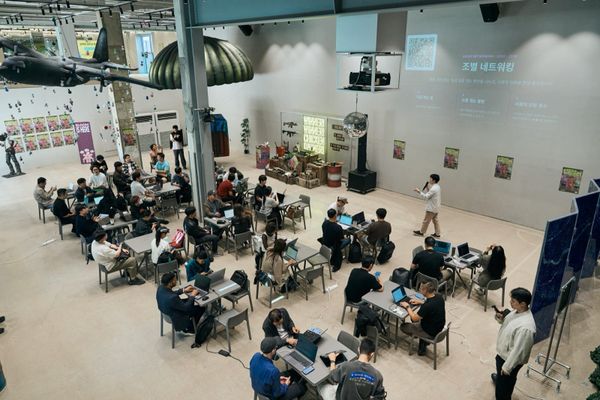
In 2015 I helped run a global startup event in a basement in Seoul, and it ran entirely in English, with beer and barbecue in the American style, and an unusual number of foreigners.
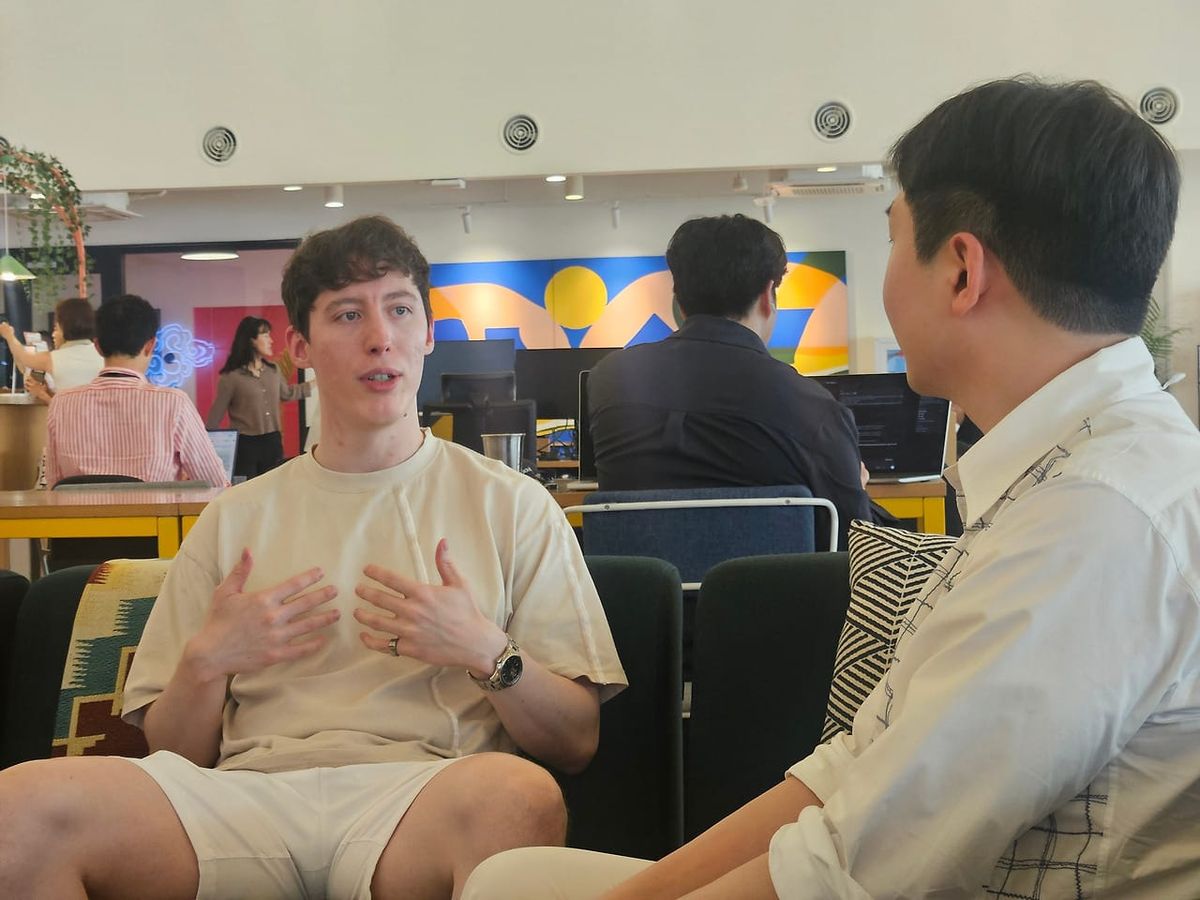
That is where I met Teddy Cross, who was in his late teens, and meeting someone from Silicon Valley in Seoul was novel enough that we became friends quickly.
Later I took a marketing internship at an adtech startup and found him there as a software engineer, and ten years of friendship followed.
In that time he cofounded Playco, which raised a large Series A co-led by Sequoia and passed unicorn valuation. The instant games market is biggest in the US and Japan, so he moves between them, but he comes to Seoul often because of the years he spent here.
Knowing someone that long means most conversations are personal rather than professional, which is why the full story took so long to hear.
Never went to school
Teddy has never attended school, not kindergarten, not elementary, not high school. Homeschooling law varies by US state, and Tennessee where he grew up permitted it.
Home was a small rural town, with not much to do and not many friends. His mother had been a teacher and taught him directly, and his father worked in software and had started a company at home that grew to about fifty people. He got comfortable with computers sitting next to a father who was coding.
His tools for self-teaching were Wikipedia and books.
"How much more would I have learned if ChatGPT had existed then?"
He learned what interested him and skipped what did not, which he admits is slightly a problem, with science and engineering his favorites.
He wanted to be an inventor from early on, while other kids were saying doctor or firefighter, and building with Lego, building games in code, and building the company now were all, looking back, the same activity.
With no school, he looked after three younger siblings and did the laundry from age ten. His first job at fifteen was lifeguarding at the local pool, a natural choice after eight years on a swim team.
Fourteen, and going viral
He started coding through a robotics competition, and in 2007 he gathered friends and formed a team himself, assembling and programming Lego robots.
How he came to Korean is a better story, since he picked it up watching K-pop, and that thread eventually led to a recruiting offer and a move to Seoul.
Someone who saw AI as technology
Two things stood out, the first being how he read AI. Coming from engineering, he saw it as technology rather than a business trend, and he recognized immediately that it would change the world and started using it while it was still rough.
The second was writing, since he tries to hand everything to AI and refuses to hand over writing.
"Writing is the only way to express thought. Give that medium to a computer and the thinking itself degrades."
His conclusion was that degrading what makes us human does not benefit anyone.
It is easy to feel that writing lost value once models could produce it. Treating writing as a mirror for your own thinking rather than an output changes the posture entirely.
Keep reading
Join Bloom
Bloom builds offline rooms where people and technology meet. We run them in Seoul, and now beyond it.
- 💬 Discord community, where events are announced first
- ▶️ YouTube, full talks from past events
- 📸 Instagram, photos from the floor
- 🎟️ Upcoming events
Based on an interview with Teddy Cross, cofounder of Playco.