AGI Is 99.9 Percent Here (Not an Exaggeration)
A founder whose deal collapsed the day before signing and a Toss engineer preparing a YouTube channel reached the same conclusion: what lasts is not the ability to build, but the ability to reach.

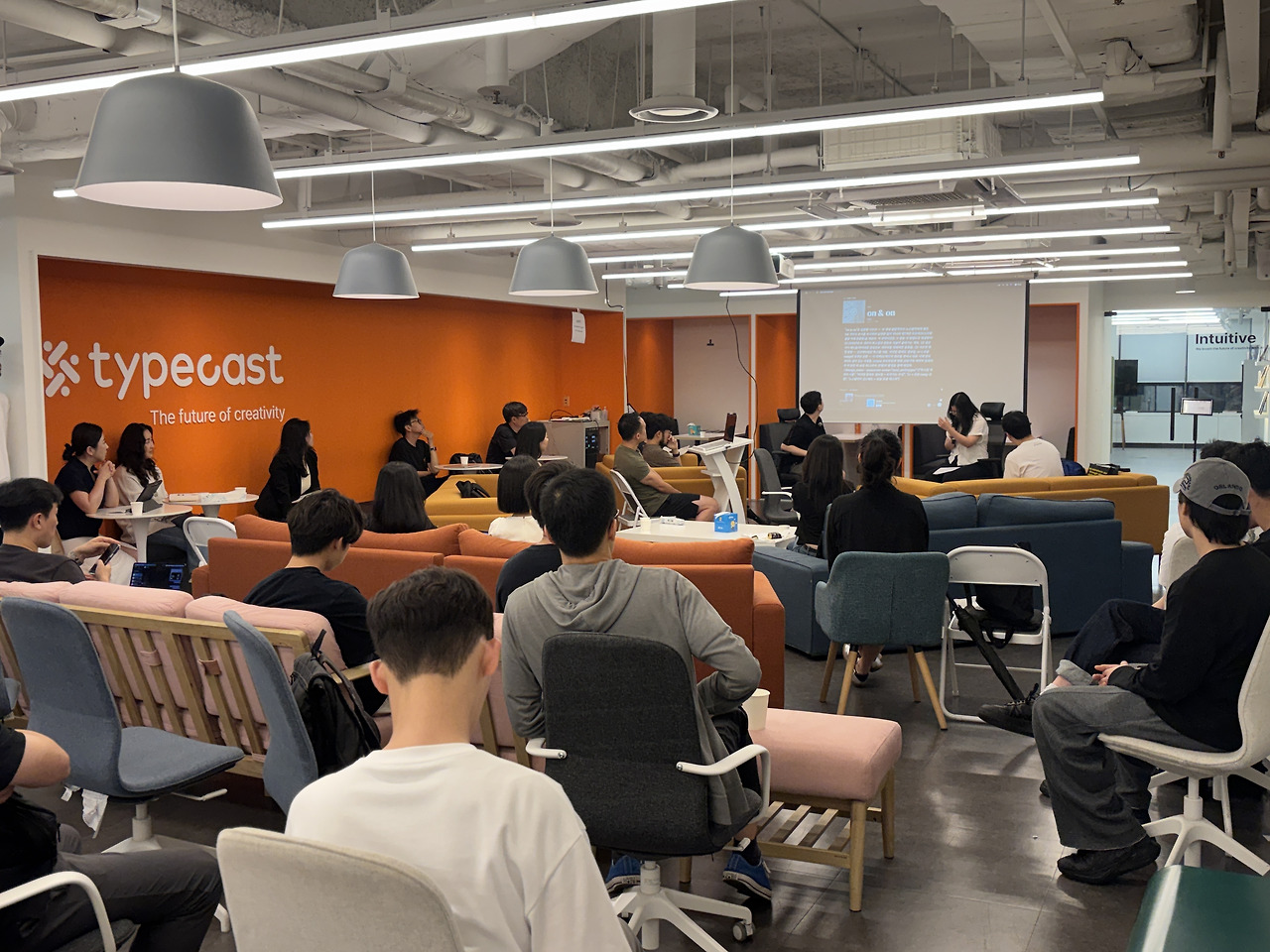
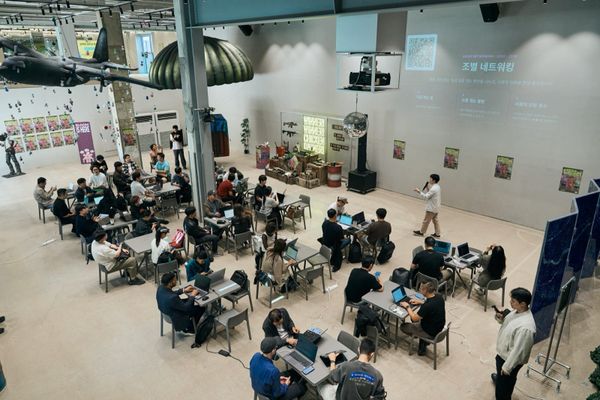
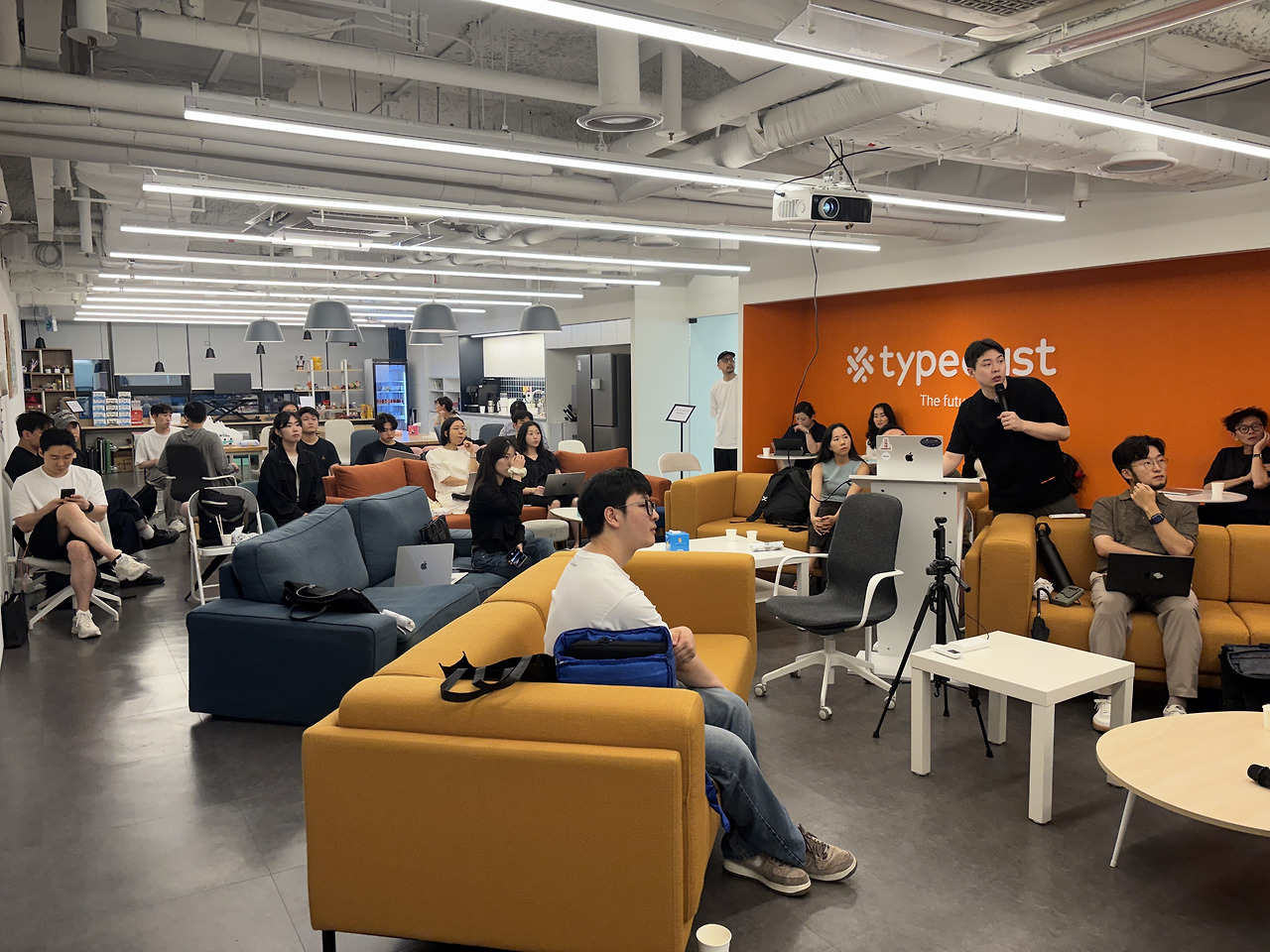
This meetup ran at the Neosapience office near Samseong Station. We posted a venue request on Discord two days before the event, and they answered within hours. Both speakers came from inside the community: Brian Jin, a Korean Canadian founder whose deal collapsed the day before signing at Antler Canada, and Jooeon Kim, a Toss engineer who believes the durable assets of the AGI era are networks and personal brands.
🎤 Brian Jin · Jooeon Kim, plus two member demos
🎟️ Bloom events
We started member demos
This night we added something new, with two members getting five minutes each at the top of the event to show what they are building. The idea came from Discord: plenty of members build side projects, but almost none of them have a room where they can meet early users, and the format is closer to sharing what you built and where you are stuck than to a pitch.
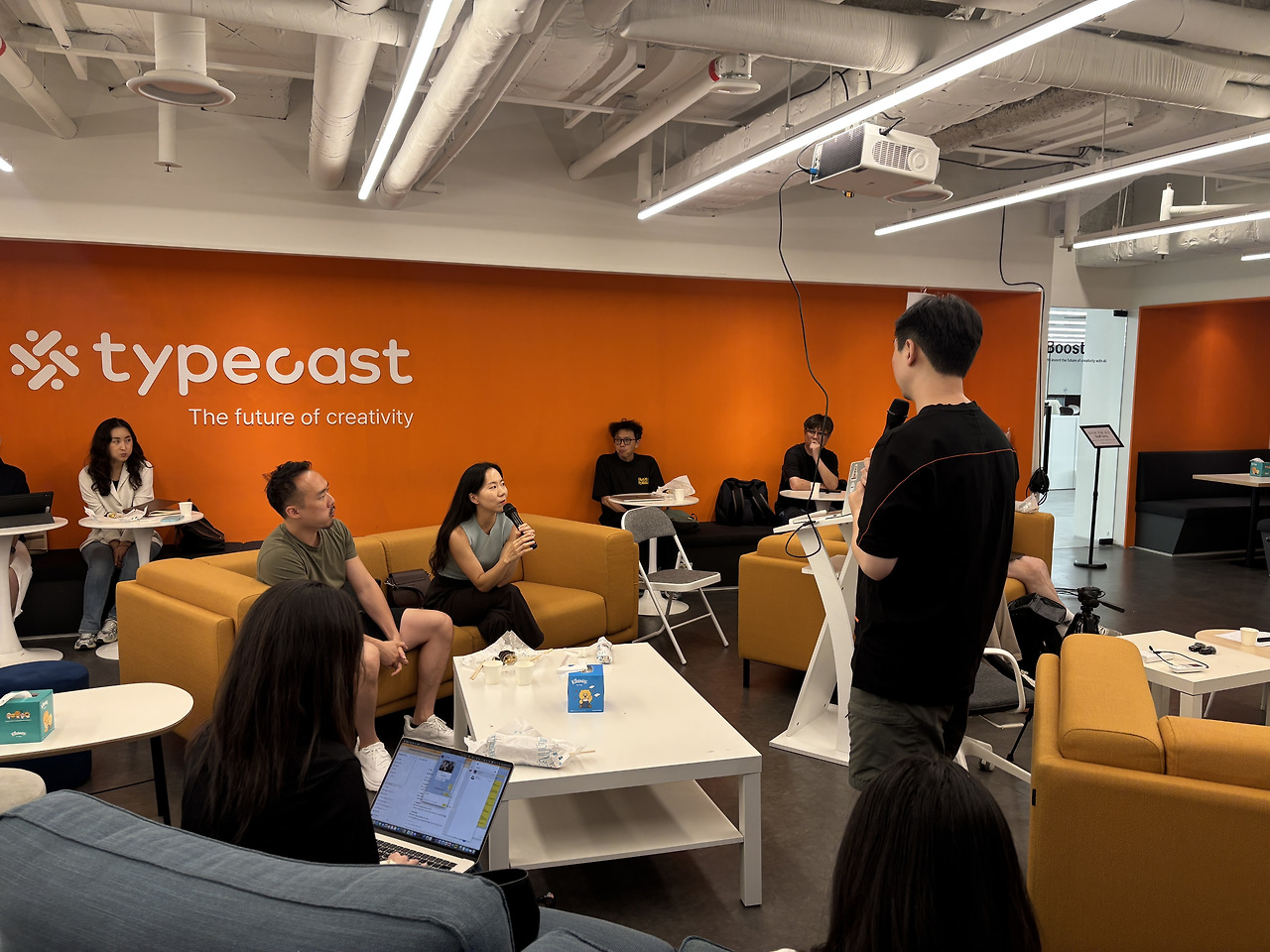
The first demo was a service that explains why one song leads to another: feed it a track and it maps the songs that inspired it, songs from the same era, and distant relatives. The unsolved problem was the best part, in that the model can rank candidates but cannot surface a song it never thought of in the first place. Detaching the judging call fixed repetitive picks, and nothing fixed recall. He closed by asking if anyone in the room had solved it, which is exactly what the session is for.
The second demo was unplanned, because one team could not make it, so a founder in the audience took the mic and showed a medical workflow tool that compresses a five minute consultation into thirty seconds of documentation.
Canada is a test bed for the US
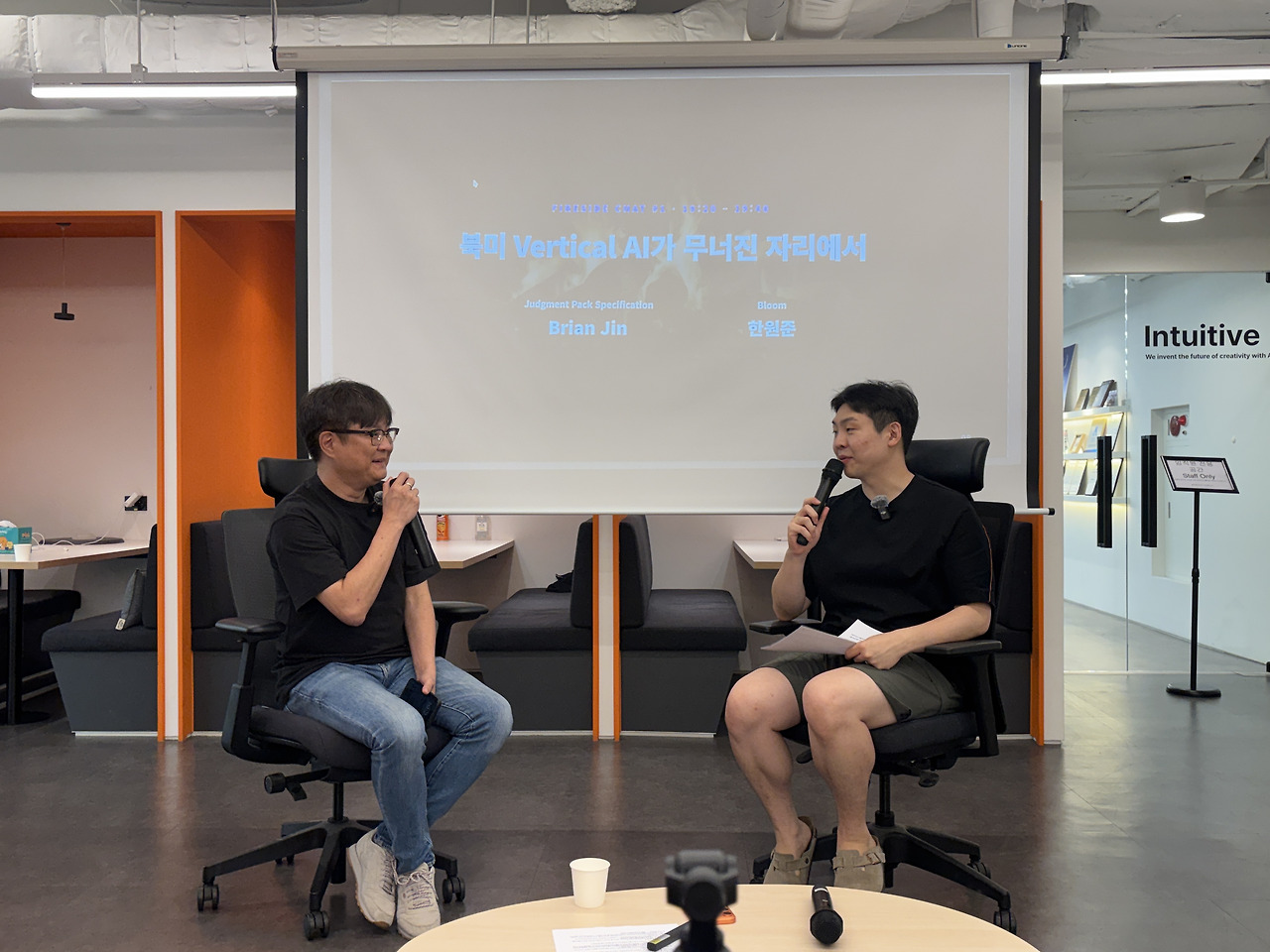
Brian studied computer engineering at Waterloo and has been founding things since graduation, and his read on Toronto was blunt: Canada works as a test bed for the US. Anyone who wants to build goes to America, or proves it in Canada first and then goes.
He got into Antler Canada after four interviews over three months, and the program runs ten weeks, with seventy percent of the cohort cut at week six.
One dollar for the license, six for the rollout
His startup automated enterprise ERP implementation, and for every dollar a company spends on an ERP license, it spends six more rolling it out: scoping, configuration, migration, training. He was building agents to do that work, sold not to the ERP vendors but to their implementation partners, who eat the overrun whenever a hundred-hour estimate turns into a hundred and fifty.
The day before signing, the table flipped
I asked how the final investment committee went, and his answer was short: it never happened.
Around week nine, Antler partners came back from a global summit in San Francisco with a different mood. Frontier models were improving so fast that follow-on funding for thin vertical AI services in North America looked shaky. Out of twenty teams, two survived: one with a patent on lab hardware, one led by a star founder. Patents or people, and no team survived on product alone.
If technology is not the moat, what is
From the first week of the program, one line kept coming back: there is no technical moat anymore. When founders asked what the moat is instead, the answer was, go find out.
The VCs also told business founders to become influencers, to put their faces out and treat marketing like a celebrity job, and Brian added that this is exactly what technical founders hate most. The weight inside founding teams has shifted too: it used to be even between tech and business, and now, he says, investors treat engineering as something you can hire later.
Moving judgment outside the model
So he went back to open source for two reasons: technology is what he does best, and open source is a distribution channel. The project moves business judgment out of the model into a database, because stuffing company know-how into prompts erodes institutional knowledge and breaks every time the model changes. Coding agents work because linters, compilers, and tests give a closed environment with a referee, and he wants to build that referee for business agents.
Why a Toss engineer is starting a YouTube channel
The second session was Jooeon Kim, a DevOps and backend engineer at Toss who spent years building MLOps systems, and one of the earliest Bloom members.
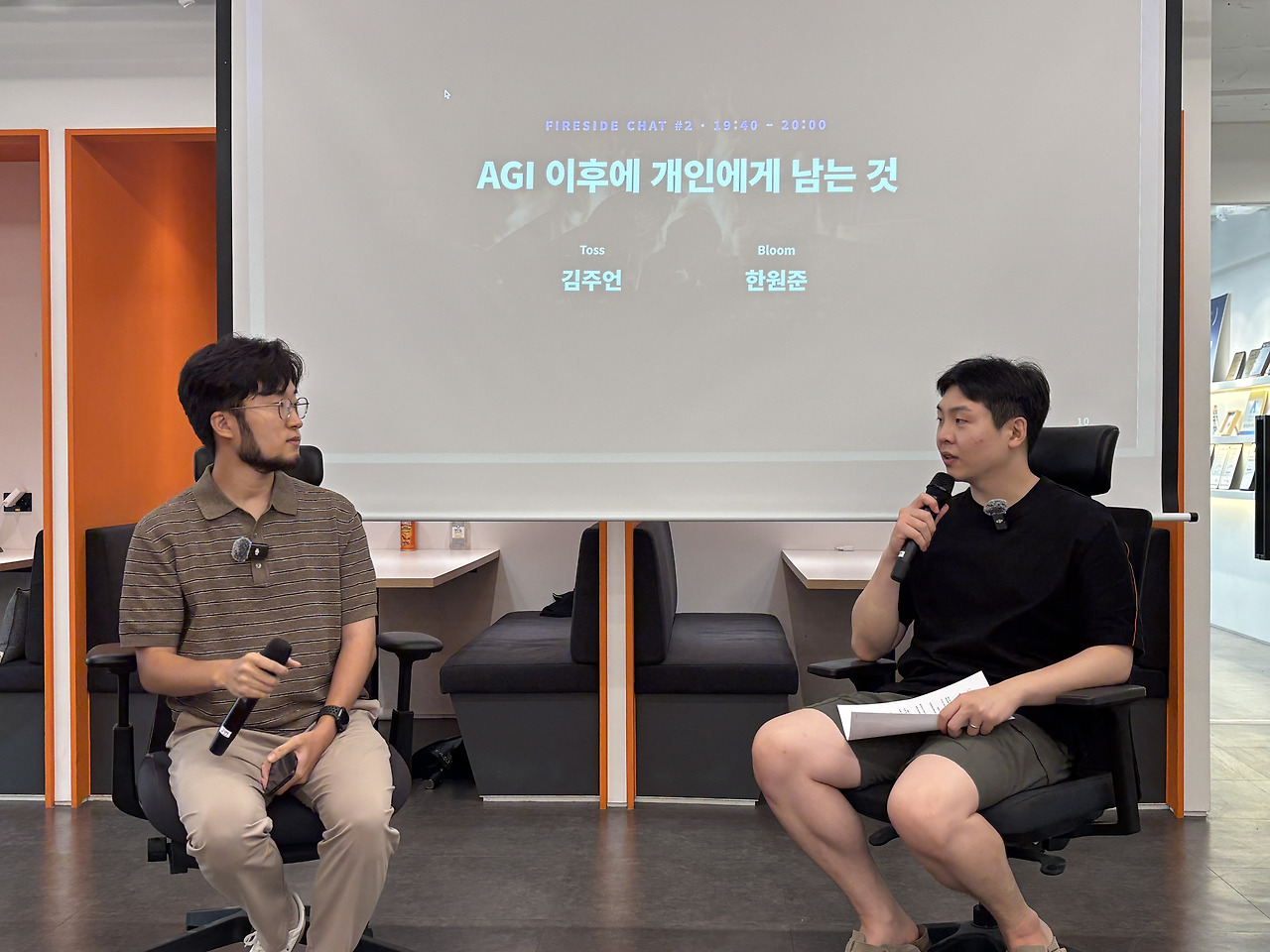
He started with definitions, and by the loose definition AGI is already at the doorstep. He follows the stricter one, from Demis Hassabis: give an AI everything Einstein knew, and see if it produces relativity on its own. Today the models push hard and fast once a human sets the direction, and the bar is whether they can set the direction themselves. His guess for that moment is 2030.
Function, power, ownership
He went through history asking where individuals produce value, and found only three axes: function, power, and ownership. Function means selling your skills to an employer, and function is precisely what AI replaces. We live in an age of functional identity, where people introduce themselves by their jobs, which is why identities shake when functions get automated.
What he picked for himself is ownership, specifically a network. A brand is the image carved into the mind of a consumer, so owning a brand means owning a small room in many minds. His first goal is to own his own medium, a YouTube channel with an audience that trusts him. Asked how much of his engineering knowledge would carry over, his answer was quick: probably not much. Documented knowledge is no longer an edge, and undocumented lived experience is.
Six tables, one direction
The roundtables argued about whether AGI has arrived and what counts as a moat. The best analogy: people used to trust their own judgment over a map, and now they trust the navigation app over their own judgment. The moment we do that with AI is the moment it becomes AGI. A physician at one table said even doctors now accept that AI beats a mid-tier practitioner, and that the remaining question is liability. Estimates ranged from three to ten years.
Two speakers, one conclusion
One learned through a collapsed deal that technology is no longer a moat, and the other combed through history to see what remains when functions are replaced. They landed in the same place: not the ability to build, but the ability to reach, not the product, but the room you occupy in the mind of someone else.
Thanks to Neosapience, the team behind the AI voice service Typecast, for lending the space on two days notice.
Keep reading
Join Bloom
Bloom builds offline rooms where people and technology meet. We run them in Seoul, and now beyond it.
- 💬 Discord community, where events are announced first
- ▶️ YouTube, full talks from past events
- 📸 Instagram, photos from our events
- 🎟️ Upcoming events