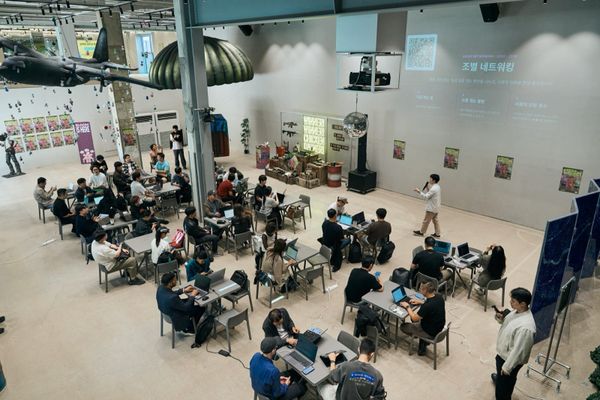
Why We Invited a Rapper to an AI Meetup
AI already makes music better than people do, he said. But nobody consumes only the music. They consume the story on either side of it, and that part is still ours.

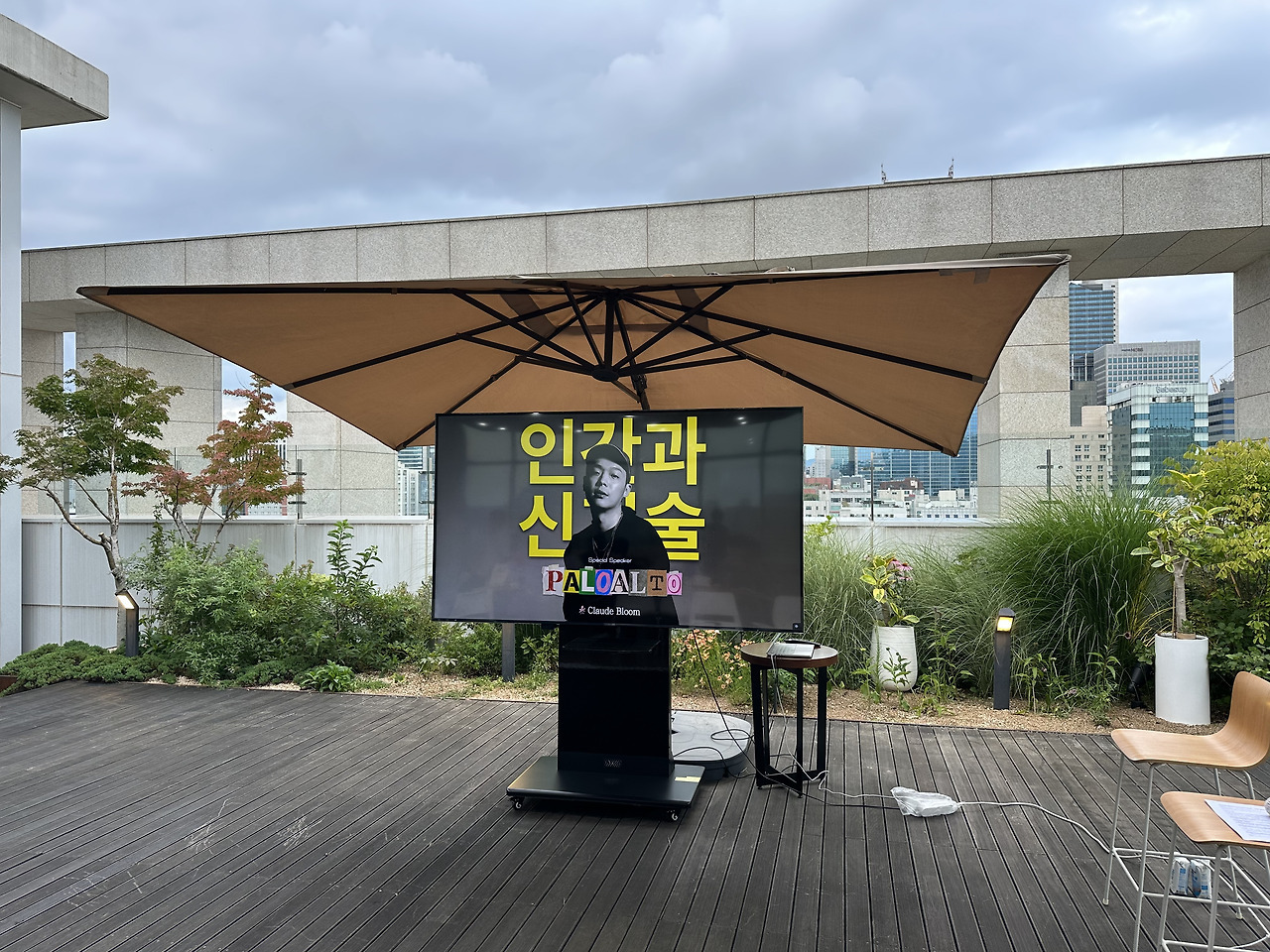
The more easily AI makes the product, the more the contest moves off the output itself and onto the narrative and the character wrapped around it. That was the question of the night.
There is no output without input. Creation does not arrive out of nothing, it comes from reinterpreting what you absorbed in your own way and evolving it from there.
The more everyone can make a similar thing with the same tools, the larger the premium on the person who holds on to sincerity and to what is their own.
📅 25 June 2026 | 🤝 Bloom × MARU, Asan Nanum Foundation
🎤 The rapper Paloalto
🏢 Sponsored by Asan Nanum Foundation
🎟️ See the event page
This event was held with the support of Asan Nanum Foundation.
Why an AI community invited a rapper
This community has mostly hosted engineers and founders, and this time we had the least likely guest of all, the rapper Paloalto. The trigger was a line from a podcast. AI already makes music better than people do, you can tell the moment you use Suno, and there is no reason to avoid it. An artist you would expect to keep AI at arm's length took the opposite line. His qualifier matters most, because people consume the story around the music rather than the music alone. Which artist made it, out of what experience and thinking, and how they stay with fans after release, is content. Hand technical production to AI and put people deeper into narrative and storytelling.
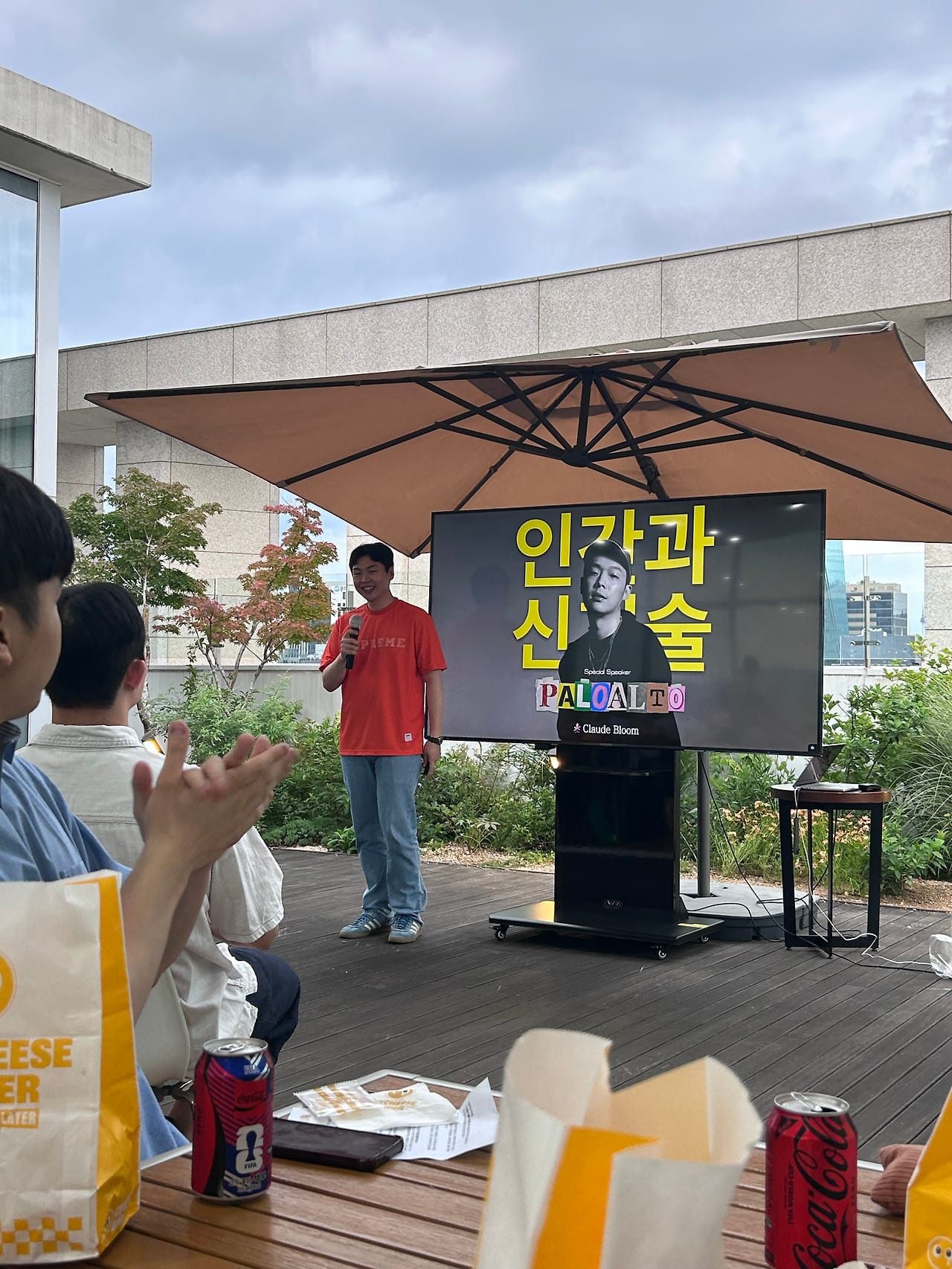
The reason this is about more than music is why we set the night up at all. AI now makes most of the software too. Building a product got easier while marketing got harder, because anyone can build, competition goes up, and how you set out a product's philosophy and get it across became the bigger variable. Founders who Build in Public and stack the process itself into a story are doing the same thing. When we buy something we do not look at quality alone, we buy the story and the context behind the brand. Our read was that the insight from the music industry drops straight into software, and that was the background to the invitation.
There is no output without input
The first question went at the nature of creation. If AI is a pre-trained model that produces output from training data, could Suno have made jazz if people had never created jazz? His answer was clear, because AI learns what humanity has accumulated and produces it faster than a person can, so if people had never brought jazz into the world, no amount of prompting would produce it. Turn that over and there is still a place for people in the work of making something entirely new for the first time.
He put a different definition on creation itself, because people have never made anything out of nothing. Musician, designer or developer, something that inspired you as a child or inspires you now gets reinterpreted in your own way, and creation is not a thing appearing where there was none but a question of how far you evolve and how creatively you express what you absorbed. He said he gets a bigger reaction from somebody's music when he can feel where the roots are and what it took influence from. Move that to a company's view and the starting point of difference is how you reinterpret accumulated assets and context and evolve them into your own.
When anyone can make it, what makes the value
With AI coding, anyone can make software, and as the era of subscribing turns into an era of making it yourself, the scarcity of the output falls. Music goes the same way once you can generate the song you want on the spot. So how do you judge what is good? Paloalto compared the change to a return to primitive times, which was the interesting part. We used to take what brands and companies made and handed us, and now everybody can create directly, and every person carries a creative instinct, so it coming out is the natural thing.
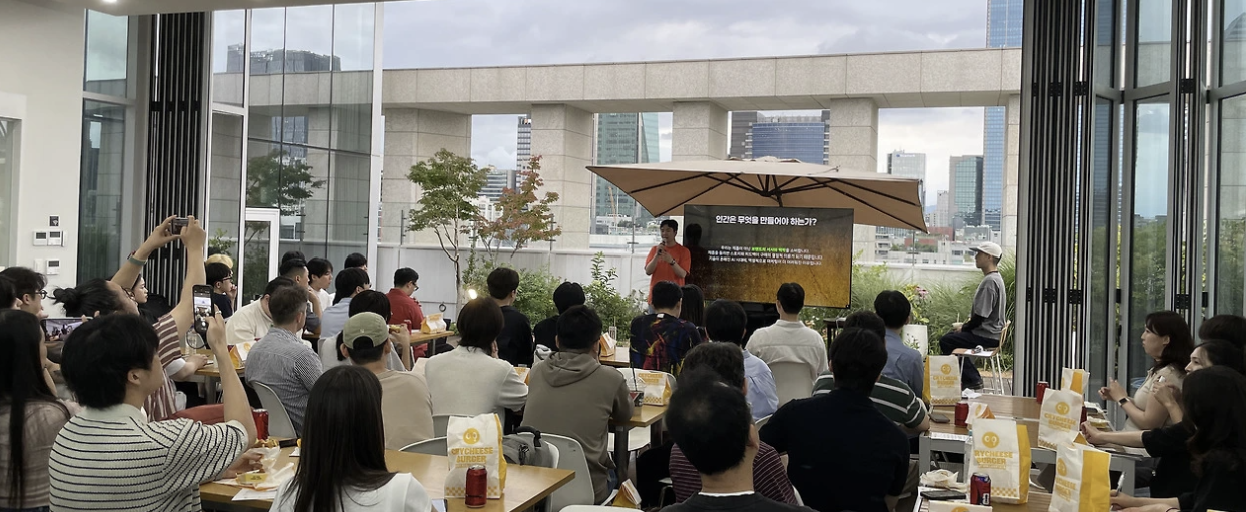
His answer was balance, and he uses Suno himself, where a good prompt brings the brass, the guitar and the strings out alive. The more everyone can reach that sound, though, the more the real players shine, and he expects an era where people are moved by what is not too perfect and carries sincerity. It meets the observation that as online content overflows, a premium attaches to the craft of what a person made by hand. When the supply of output runs towards infinity, the market starts pricing authenticity and the traces of a person rather than perfection.
An artist's moat is narrative and character
If everyone can produce a similar level of quality, what is an artist's moat? His answer was charm, character and the path they have walked. There are people with outstanding skill who are never loved, and that comes from an absence of charm or from a point where the public cannot get into the story. He used Kanye West as the example. People get pulled into him because of a path as a pioneer who kept breaking his own limits, and that accumulated narrative is why even a bad statement gets chewed over once more. An artist becomes a star with a path, a character and a human charisma.
None of that is only about music. Tesla has Elon Musk standing behind it, and the story of Steve Jobs starting in a garage, being thrown out of his own company and coming back has been a force in Apple's marketing and sales that nobody can ignore. The faster products and technology level up against each other, the more a company's and a founder's narrative, character and consistent path turn into a moat nothing replaces. The closer AI brings the gap in output, the more the story of a person and a brand is the last line of difference.
How to hold a tool: Suno and dependence
He uses Suno while consciously trying not to lean on it. He does music because making it is fun, and if this were about speed and money he would have handed it all to Suno long ago. So when prompting he mixes in as much of his own thinking as he can. Hip hop samples old music, and an original means clearing costs and permission, so he builds a period sound in Suno instead and recombines the stems, which saves the cost and gets the sound he wanted. On a recent joint album he fed his own playing into Suno, pulled versions and kept the parts he liked. The process of creation has not gone, only its shape has changed.
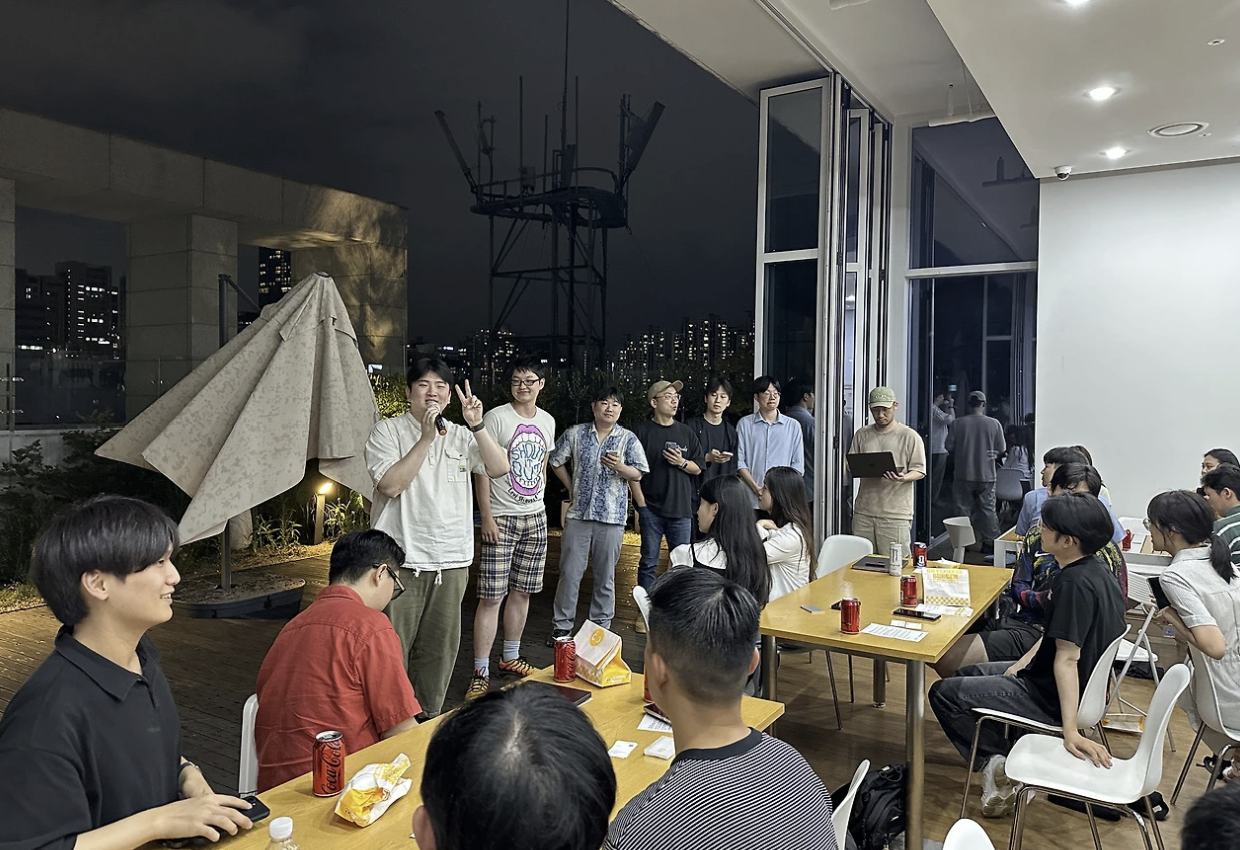
There is a lesson in that for companies. AI is a powerful lever, and the person who manages their own dependence on the tool is the one who keeps the output distinctive. Rather than putting the tool out front and handing the whole job over, output becomes yours when human judgement and taste pick and reassemble what the tool produced. He said AI has done a lot for him as an independent, handling the chores of sending files to the distributor and tidying the spreadsheet for merch shipping. Less dependence at the core of the creative work, heavy use in repetitive operations, and that division was his method.
Independent, the one person builder, and staying yourself
His career has an unusual shape. He started his own label and ran it for ten years, then spent time as a signed artist, and now he is independent. It looks like going backwards, and the ground under it is the confidence that he can carry it alone, because he has done everything from settlements to issuing tax invoices. The era of the one person builder, who commands agents instead of people, overlaps with his route. When someone said the timing is good for independents now that AI covers the manager's job, he laughed and said, "I should have been born a bit later."
The most practical insight came out of global strategy. Asked what K hip hop needs in order to reach the world, he answered against intuition, saying it is better not to strain to be global. Hip hop is a culture Black Americans made, so copying them only looks funny to them, and there is no competing on what they do better. So he does what is his own, the thing that comes out of living in Korea and the environment he grew up in. K-pop's success taught him that showing something Korean is what people abroad actually find more interesting. Strengthen what is unique rather than copy, and that transfers to every product and brand aiming at a global market.
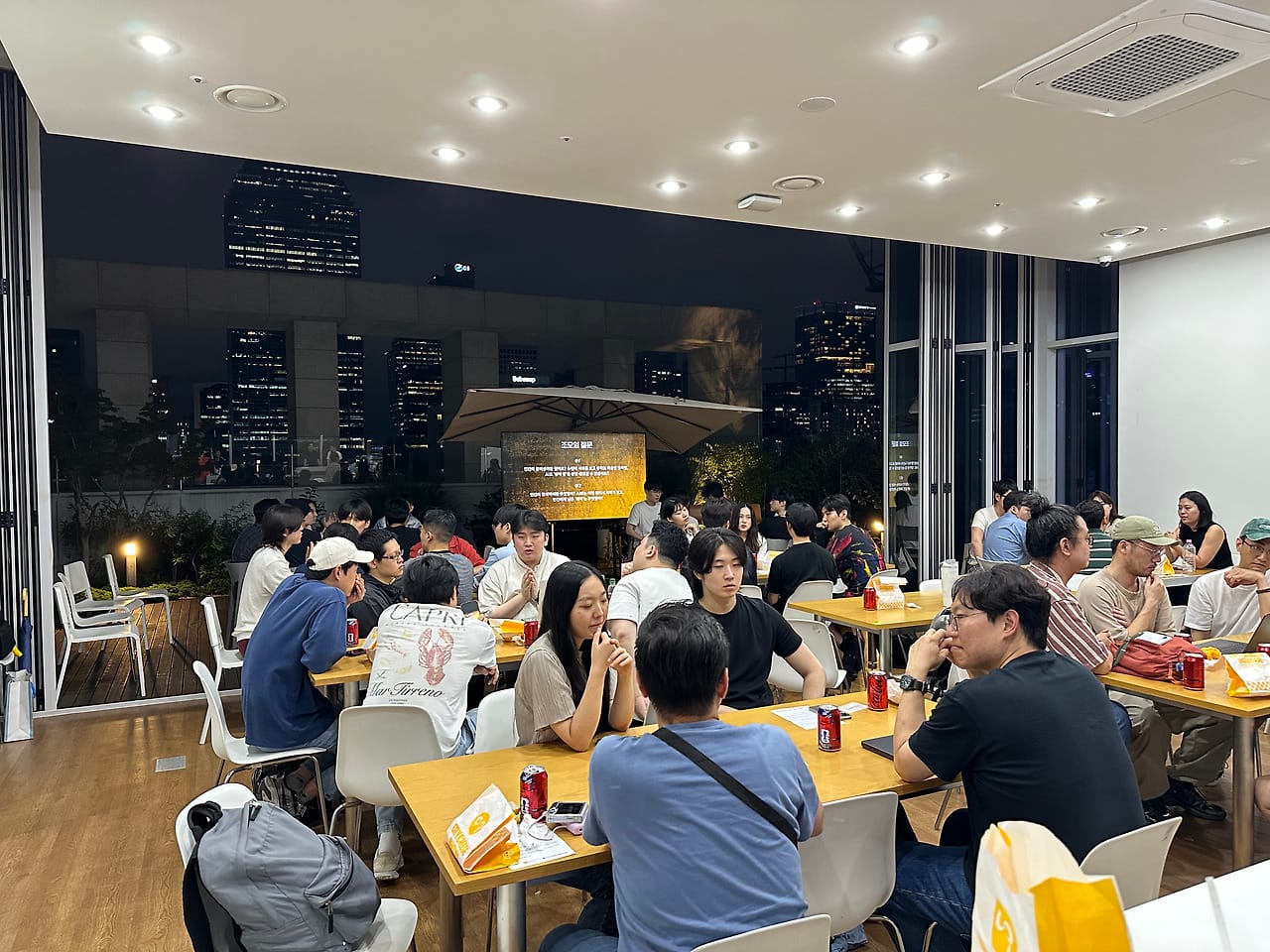
What a company can take from this
Put the evening into working language and four things remain.
- Design the story as part of the product. The more output quality levels up, the more a brand's and a founder's narrative, character and consistent path become a moat nothing replaces. Accumulate the process itself as content, the way Build in Public does.
- Take reinterpretation as the starting point of difference. Creativity sits in evolving accumulated assets and context in your own way rather than straining to make something out of nothing.
- Manage tool dependence actively. At the core of creative and strategic work, let human judgement pick and reassemble the AI output, and use AI hard in repetitive operations.
- Strengthen what is yours and take that abroad. Reinforcing a distinct identity works better overseas than imitating the competitor who got there first.
Frequently asked questions (FAQ)
Q: Where does a company's difference come from when AI makes all the output?
- From the story wrapped around the output rather than the output itself. The more product quality levels up, the more a brand's and a founder's narrative, character and path become a moat nothing replaces.
Q: What does creativity mean in the age of AI?
- It means reinterpreting and evolving what you have absorbed and accumulated in your own way rather than making something out of nothing. There is no output without input, and the depth of the reinterpretation is what makes the difference.
Q: How do you keep an edge when everyone uses the same AI tools?
- It divides at how actively you manage your dependence on the tool. In core creative and strategic work, human judgement picks and reassembles the AI output, and in repetitive operations you use it hard, which leaves the traces of a person and the sincerity behind.
Q: What strategy works when you aim at a global market?
- Reinforcing a distinct identity works better than imitating the competitor ahead of you. Putting out a strengthened version of what is yours is what gets taken as new abroad, and that was the conclusion of the night.
Keep reading
Join Bloom
Bloom builds offline rooms where people and technology meet. We run them in Seoul, and now beyond it.
- 💬 Discord community, where events are announced first
- ▶️ YouTube, full talks from past events
- 📸 Instagram, photos from the floor
- 🎟️ Upcoming events