A Defense Hackathon, Where Weapons Age Out in Six Months
A twenty four hour defense hackathon put AI builders in a room with soldiers and veterans. The technology gap with adversaries is now measured in months, not years.

Builders and defense in one room
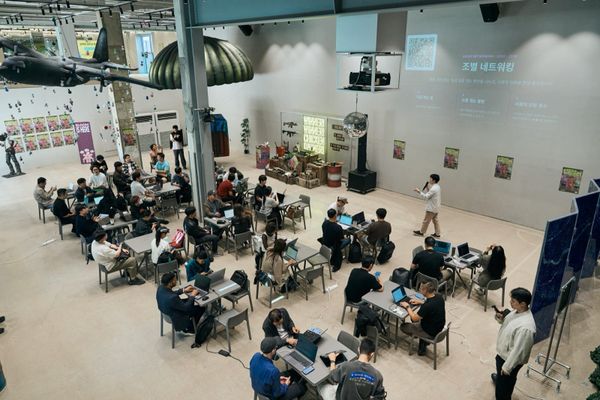
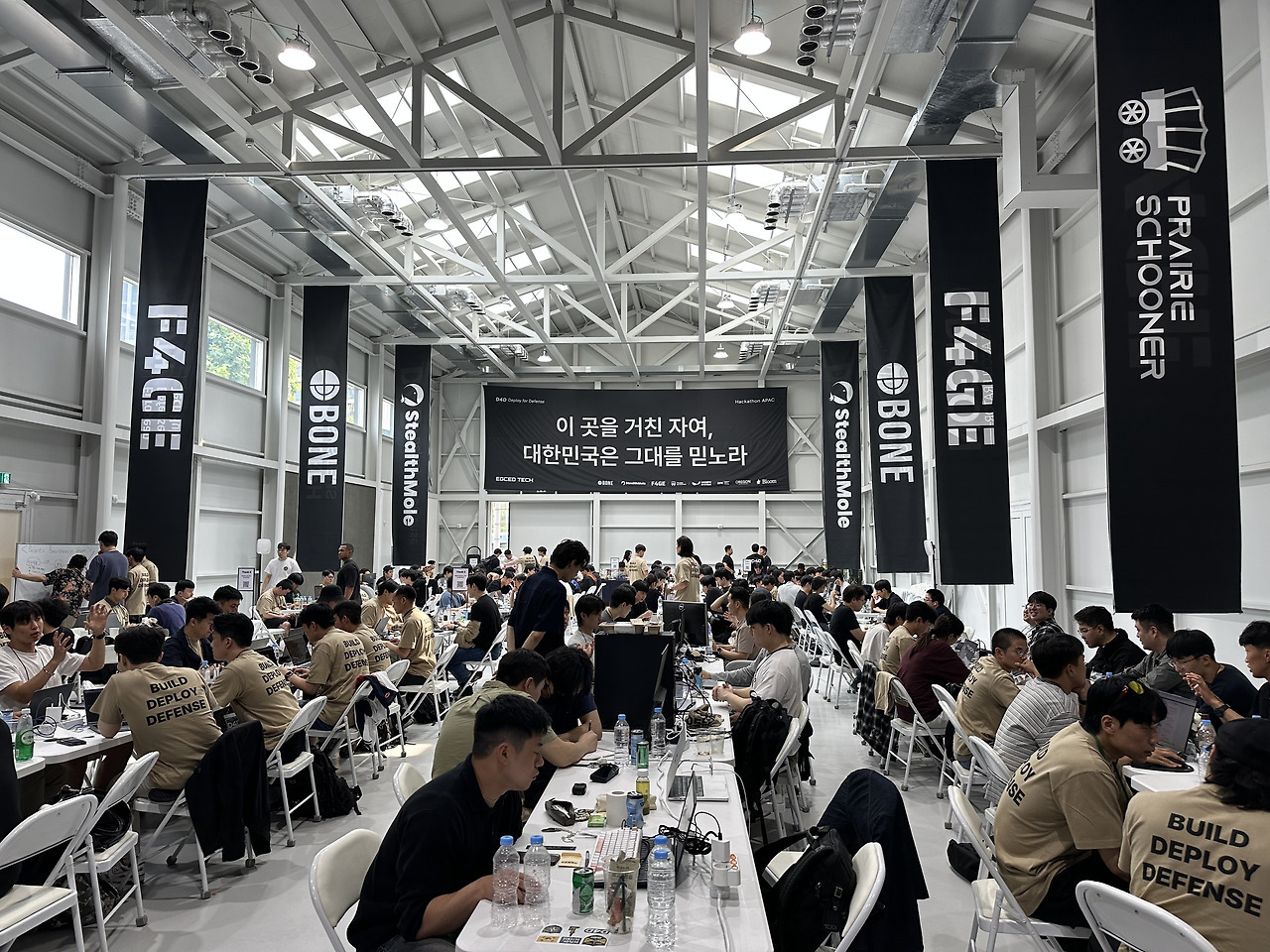
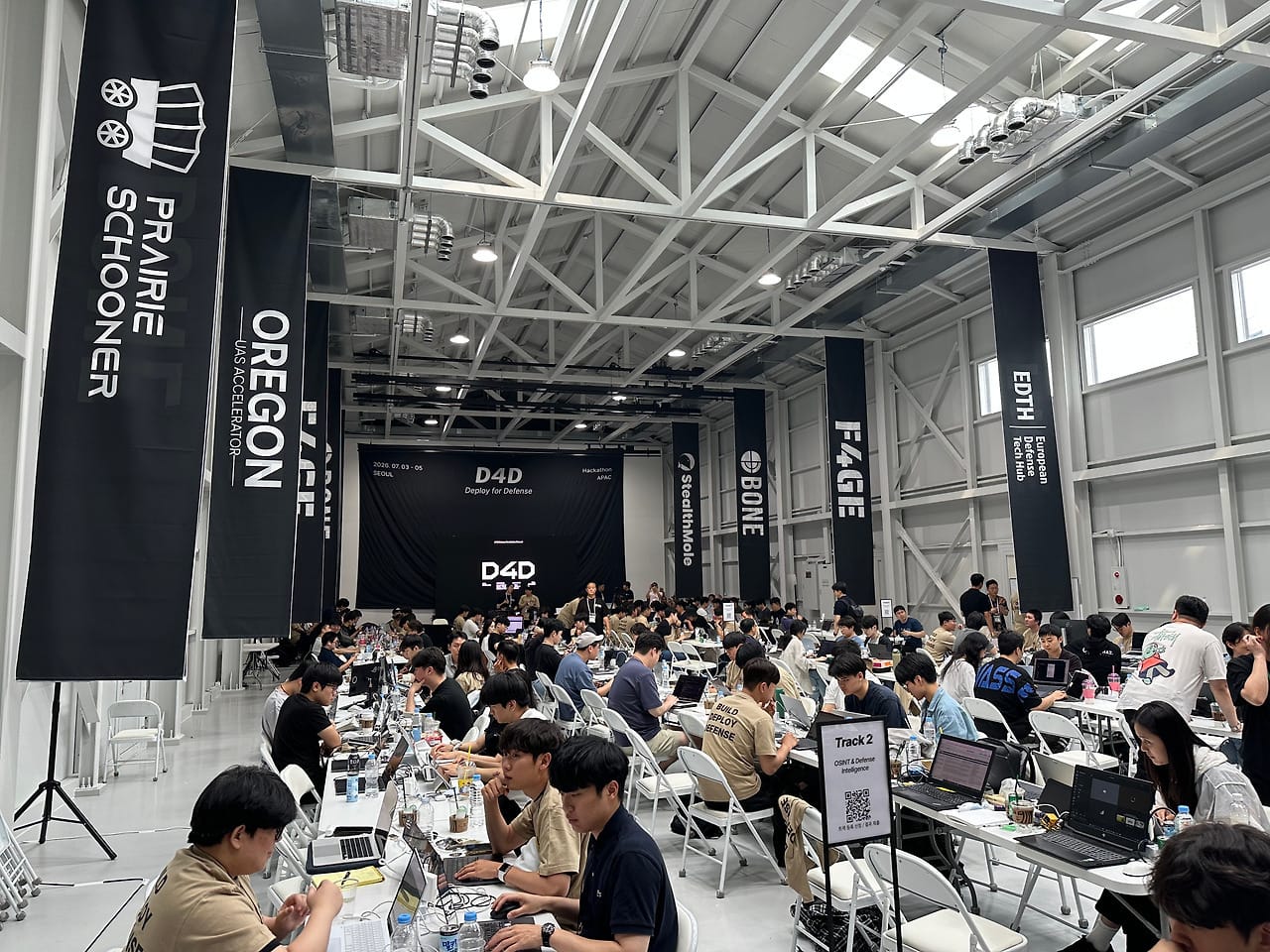
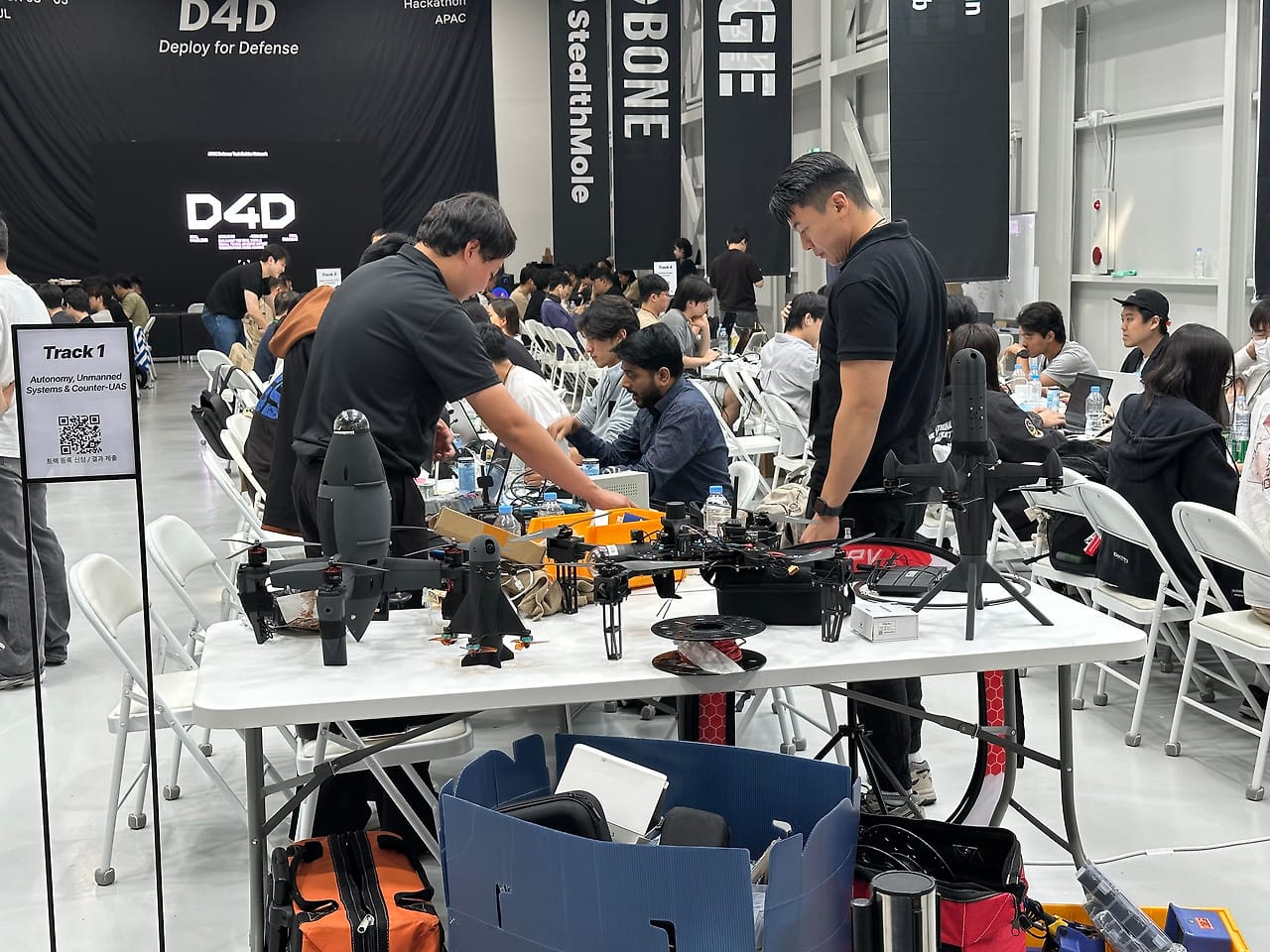
D4D calls itself an Asia Pacific defense tech builder network, where AI engineers, developers, designers, founders, active soldiers, and veterans spend twenty four hours on real problems in defense and security.
The question we brought was simple: how do builders and defense actually connect?
Design for the battlefield, not the problem
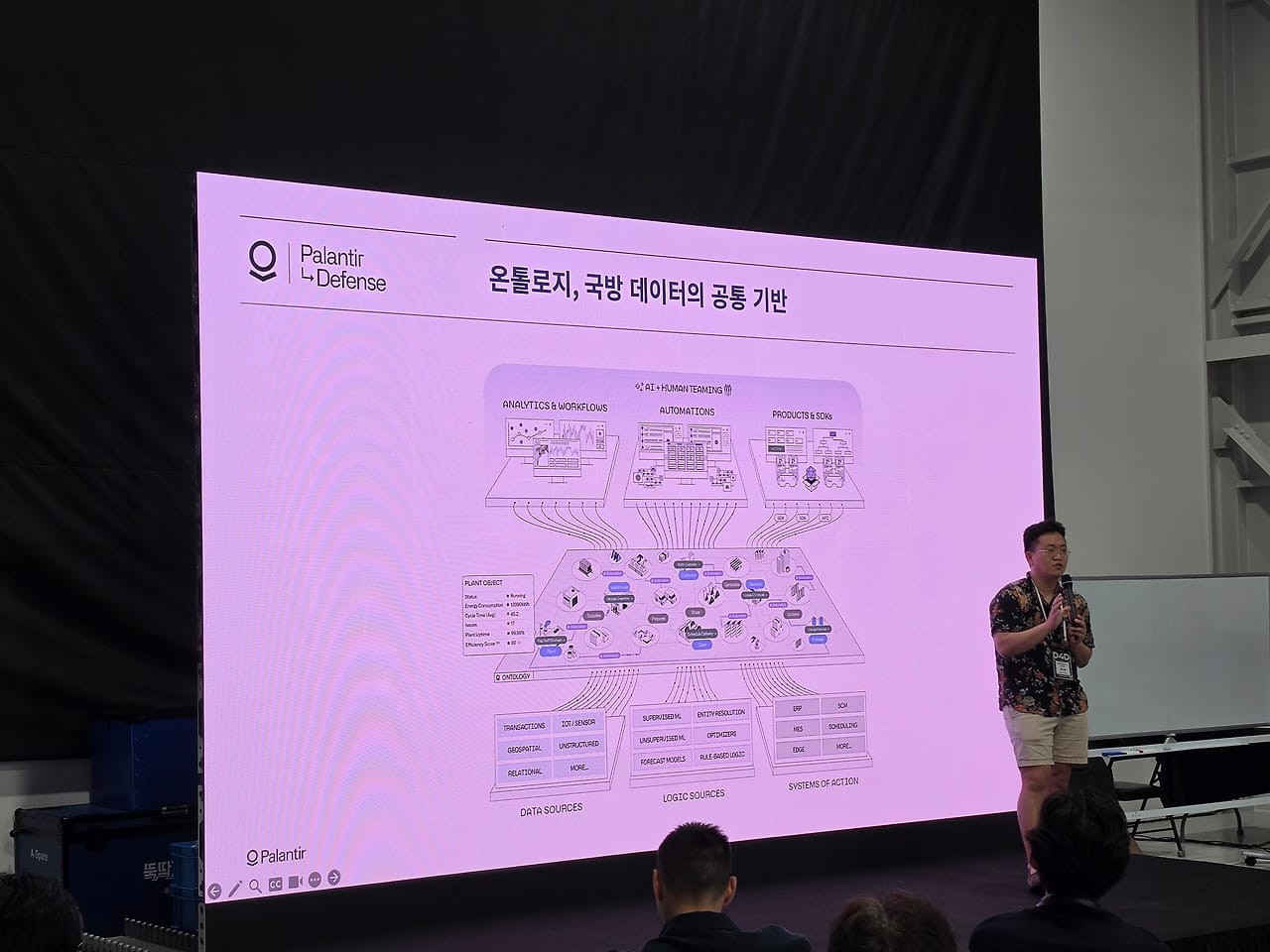
The keynote came from a company working on security intelligence, delivered remotely from Europe.
The starting point was that the pace of battlefield innovation changed fundamentally after the war in Ukraine, with the technology gap with adversaries now running three to six months, meaning something fielded today is obsolete within half a year. In Ukraine, hardware and software are tested and upgraded three to five hundred times a year, effectively becoming new products on a quarterly cycle.
He named three requirements for defense startups.
Battlefield-centered thinking means the goal is not solving a problem but solving a problem on the battlefield, which requires understanding doctrine, tactics, environment, organization, command and control, training, and logistics. Some militaries operate below battalion level as mission-oriented task forces rather than in the structure you might assume, and a solution built without that knowledge may address a tactical issue while missing the operational one, or cost too much to deploy.
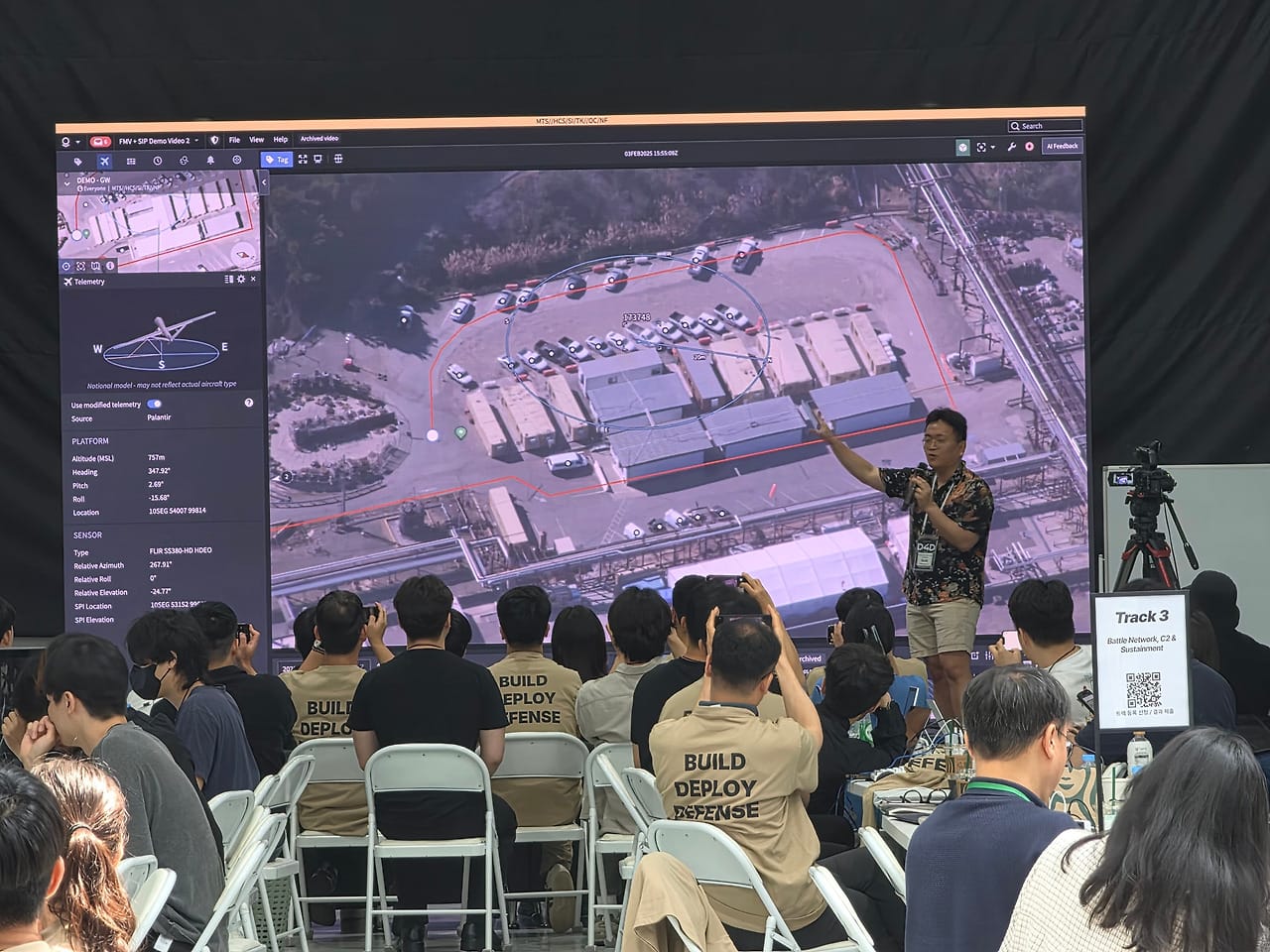
Designed extensibility means asking, from the first version, how quickly survivability can be modularized and extended, since a modular structure that flexes with new capability makes scaling far easier later.
A shift in posture matters because the capability to develop deployable solutions is itself a form of deterrence, and designing as though the competition is ongoing produces more practical results than designing for peacetime.
Communication cost of zero
The next speaker focused on solo companies, which he considers the largest change AI produces.
The reason is a single property: communication cost of zero.
Add a person to an organization and output does not double. It goes to one and a half, sometimes lower, and that is measurable communication overhead. Work alone and it goes to zero, and using AI on top of that can compound sharply.
A company is a machine for compounding through systems, and building those systems used to require assembling engineering, business, and growth functions. Now the model brings both intelligence and labor, so with a sufficient subject one person can build the system.
Which means the requirement is no longer capital, since capital was needed to hire engineers, so build the system without it first, then raise at the point where money makes it grow exponentially. On the complaint that API costs eat the margin, his response was that this is not because tokens are expensive but because the problem was not the right one.
His real message was a harder one.
"Real problems are not glamorous at all. Nothing that gets solved by sitting in your room typing is a real problem."
What you can solve in your room earns likes online, while real business problems appear when you go out, meet customers directly, and deal with much messier things. Which is why communities have to function well enough to put builders in front of actual industries like defense, shipbuilding, or manufacturing.
"An AI builder gets to ninety alone. The last ten comes from the useful collision with domain, customers, and a well defined problem."
The developer unit inside the military
One speaker, who runs an alumni community for a specific military technical corps and founded a company, described a unit of roughly two hundred developers under an air force headquarters.
It is unusual in that people develop software for their entire service, with internal conferences, hackathons, and algorithm competitions, and alumni who publish at international AI conferences or found companies.
His motivation for building the community was a question: Korea has a capable unit like this, so why is it unknown outside, and why can people not talk about it after discharge? The work now runs through mentorship, skill donation, homecomings, and hackathon support, building a culture where military and civilian sides move together.
The ecosystem is Lego
A food brand sponsored dinner, which raised an obvious question: why does a food company show up at so many community events?
His answer was ecosystem, since running an event is hard on every axis, cost, food, and gathering people, so supporting those parts and connecting people to each other is the work.
He compared an ecosystem to Lego, where how you assemble the pieces determines whether you get a masterpiece or a functional object, so the job is gathering more pieces and meeting the people who will assemble them, one at a time, offline. Food works because people always have to eat.
Keep reading
Join Bloom
Bloom builds offline rooms where people and technology meet. We run them in Seoul, and now beyond it.
- 💬 Discord community, where events are announced first
- ▶️ YouTube, full talks from past events
- 📸 Instagram, photos from the floor
- 🎟️ Upcoming events
Based on D4D, a twenty four hour defense hackathon where Bloom ran the community session and two fireside panels.