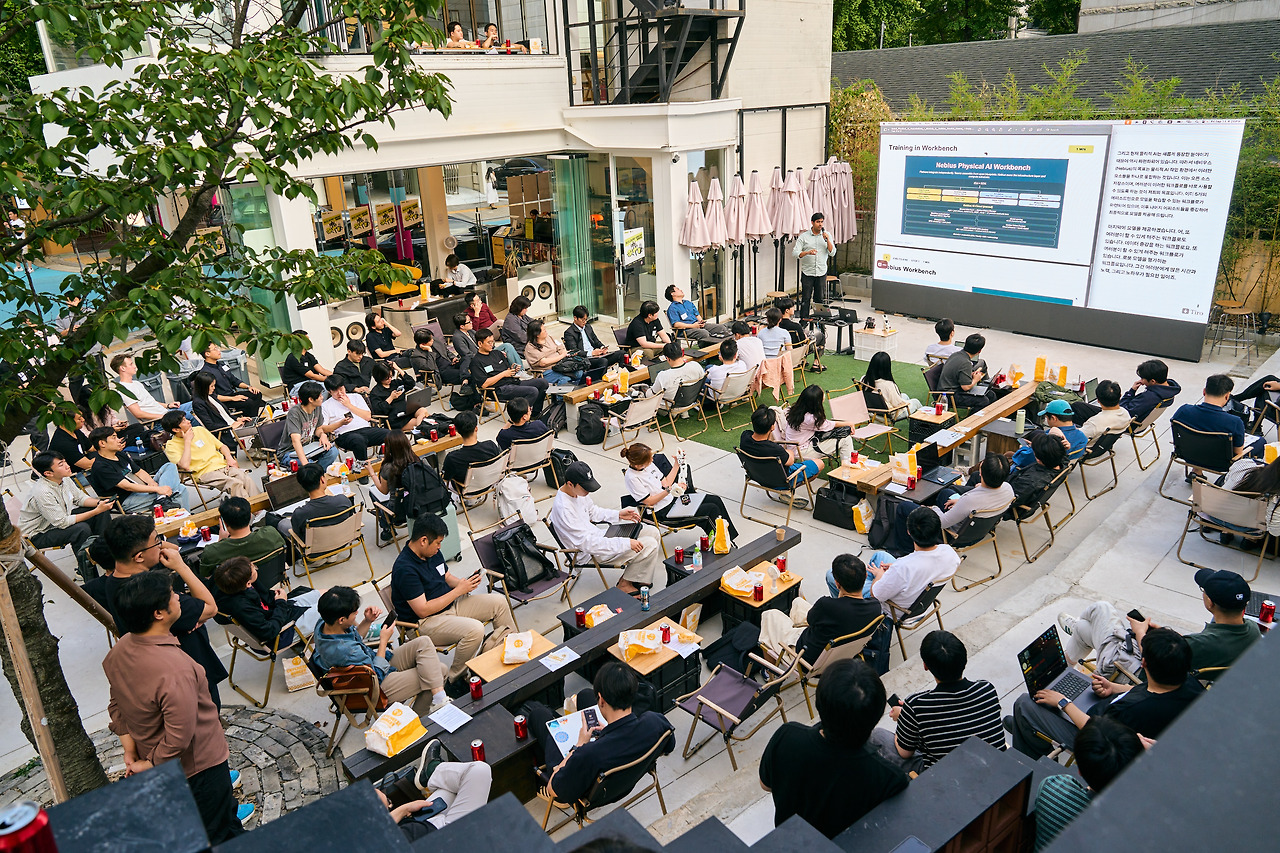
Fieldguide in Seoul: 10x Thinking from Silicon Valley

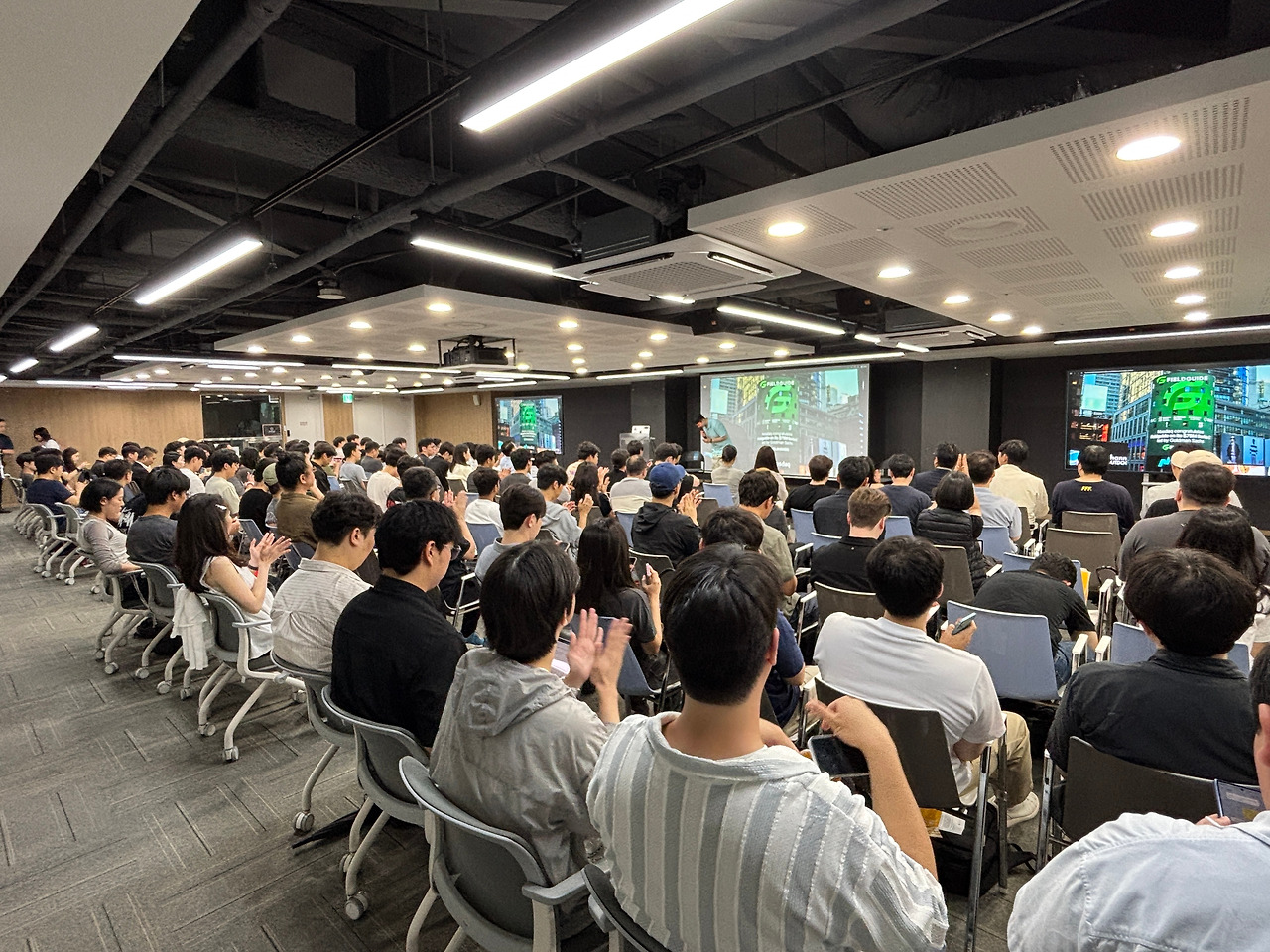
Set the goal at 10x rather than 10 percent and it actually gets easier: great people gather around big goals, and few competitors attempt challenges that bold.
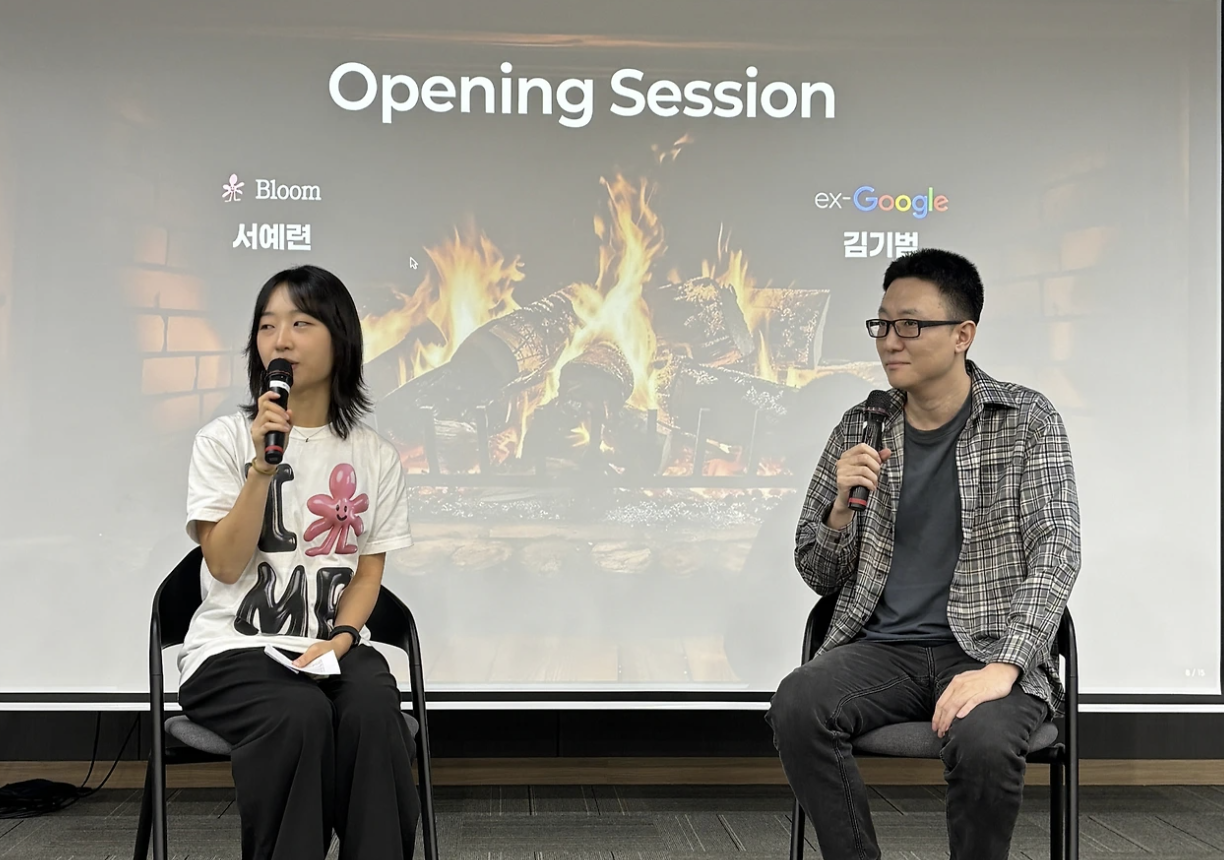
🤝 Bloom × Fieldguide × D.CAMP × ex-Google
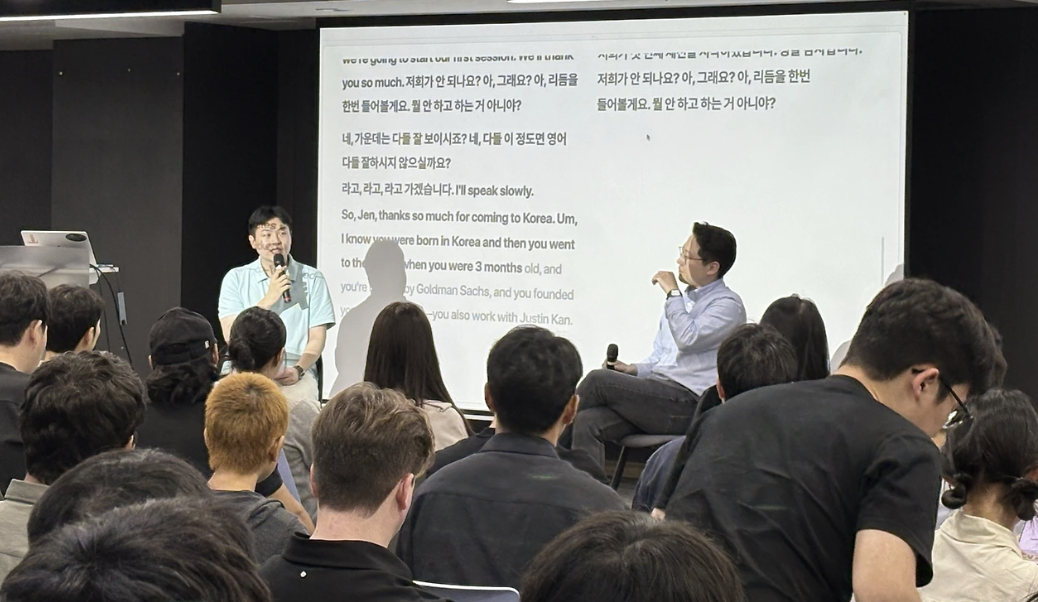
🎤 Jin Chang, CEO of Fieldguide · Kibum Kim, Terminal X
10x is easier than 10 percent
The difference between Silicon Valley and Korea is not skill but the way of thinking. Like Larry Page asking why not 100x, setting the goal at 10x changes two things. First, exceptional talent gathers, the way people flock to a company promising human-level AI. Second, so few people attempt challenges that large that competition thins out. Ten percent growth means fighting over one percent in a crowded market; a 10x goal reveals an entirely new road.
The founder must be the customer
The most common reason startups fail is building what customers do not want. When the founder is the customer, that misalignment disappears. And one more thing: an idea everyone already agrees is good is already late. Investors called Fieldguide a bad idea in the early days, and five years later, imitators poured out.
Legacy SaaS fades; companies priced on customer success survive
The crisis of software subscription businesses is real: the old subscription model struggles to survive. But the true problem is not the model, it is the assumption underneath. Fieldguide is also subscription-based, and it prices on the results customers actually achieve rather than seat count. Charging per seat creates the strange structure where the vendor earns more only if the customer hires more, and in an era short of people to hire, that structure collapses. Hence the proposal: let AI do the work instead of people. Subscription or usage-based, the company that prices on customer success wins in the end.
Global expansion happens on foot
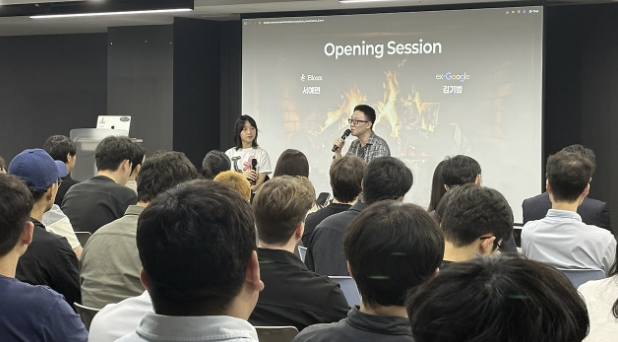
The fastest road abroad is open source: from tonight, world-class engineers review your code, your skills grow, connections form, and hiring follows. And for a serious run at the US market there is one answer: headquarters in San Francisco, where, as the saying goes, there is an investor in the coffee shop and another across the street. Still, the right place differs by role: founders and engineers belong in Silicon Valley, while enterprise salespeople belong wherever their customers actually are.
Culture and leadership cannot be added later
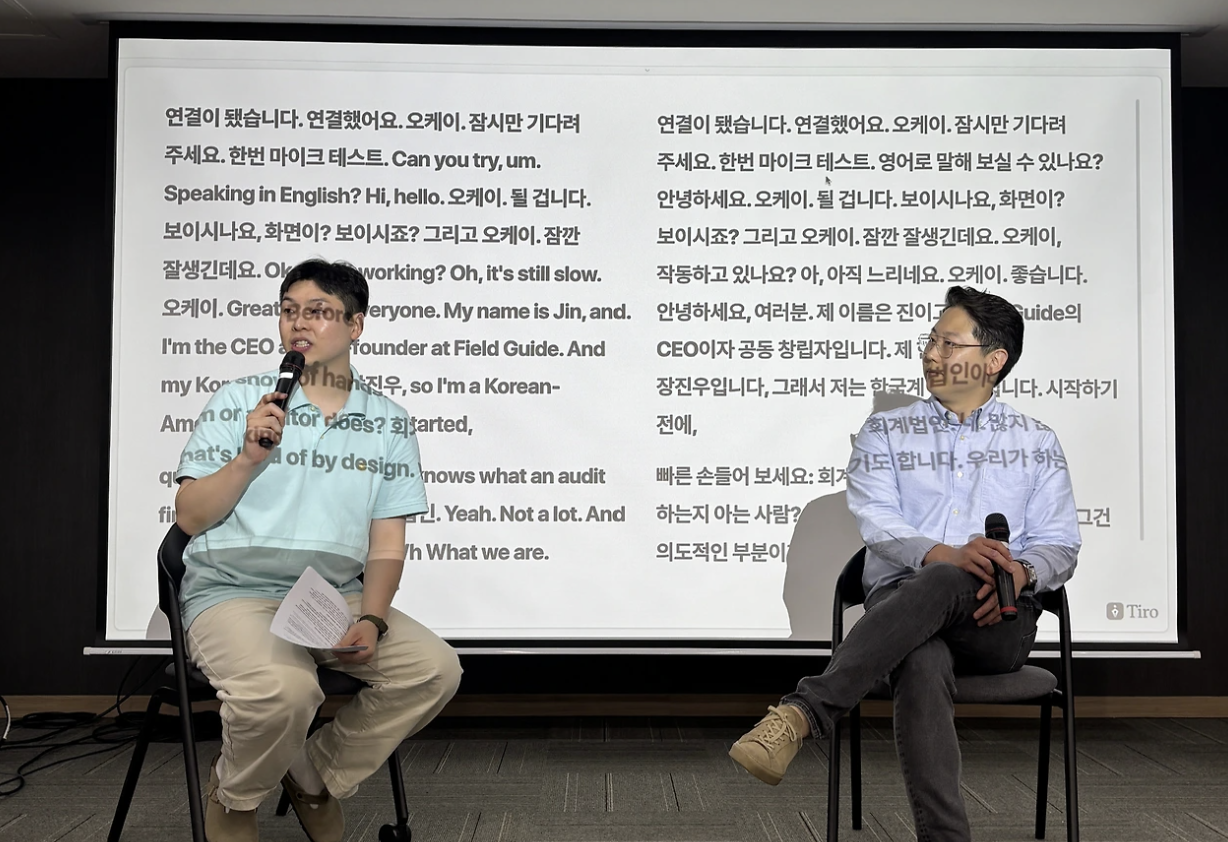
Postpone culture as a later problem and the company cannot be designed properly. Fieldguide wrote down its values before building the product, and repeats that the people in this room today create the culture for everyone who joins after. Leadership is the same: a company started for the wrong reasons, pride or a higher valuation, loses its founder first when the hard moment comes. What stays to the end is neither money nor team but yourself, so choosing the uncomfortable road now is never a loss.
Silicon Valley walked to Seoul
The first Fieldguide office outside the US is in Seoul, and not as a support team or branch: as a central hub for AI product development aimed at the world. Until now we always traveled to Silicon Valley to learn; this time Silicon Valley came to us first. The line Goldman Sachs left while investing in this unicorn captures the shift: we did not persuade them, they persuaded us.
Scenes from the night
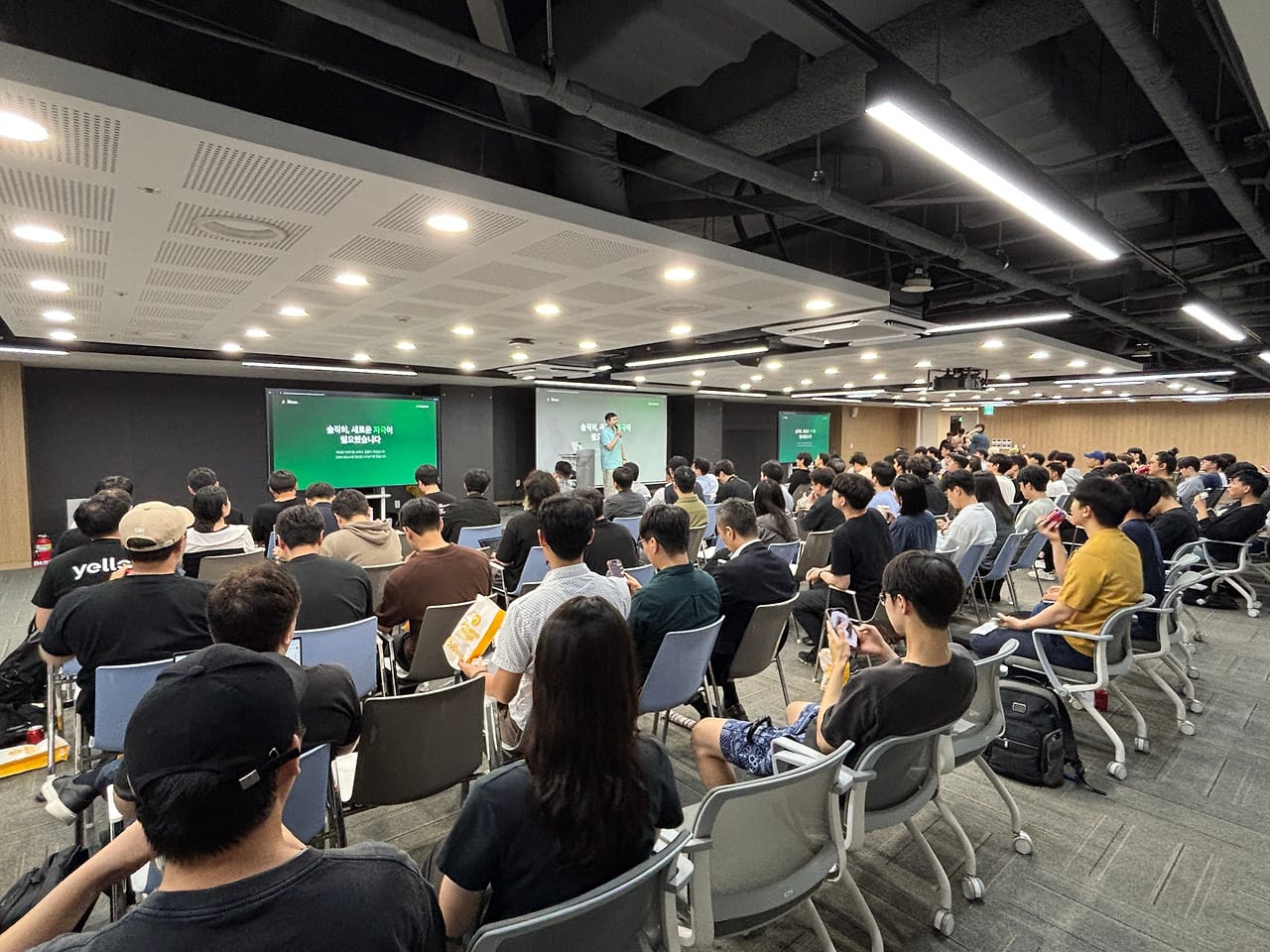
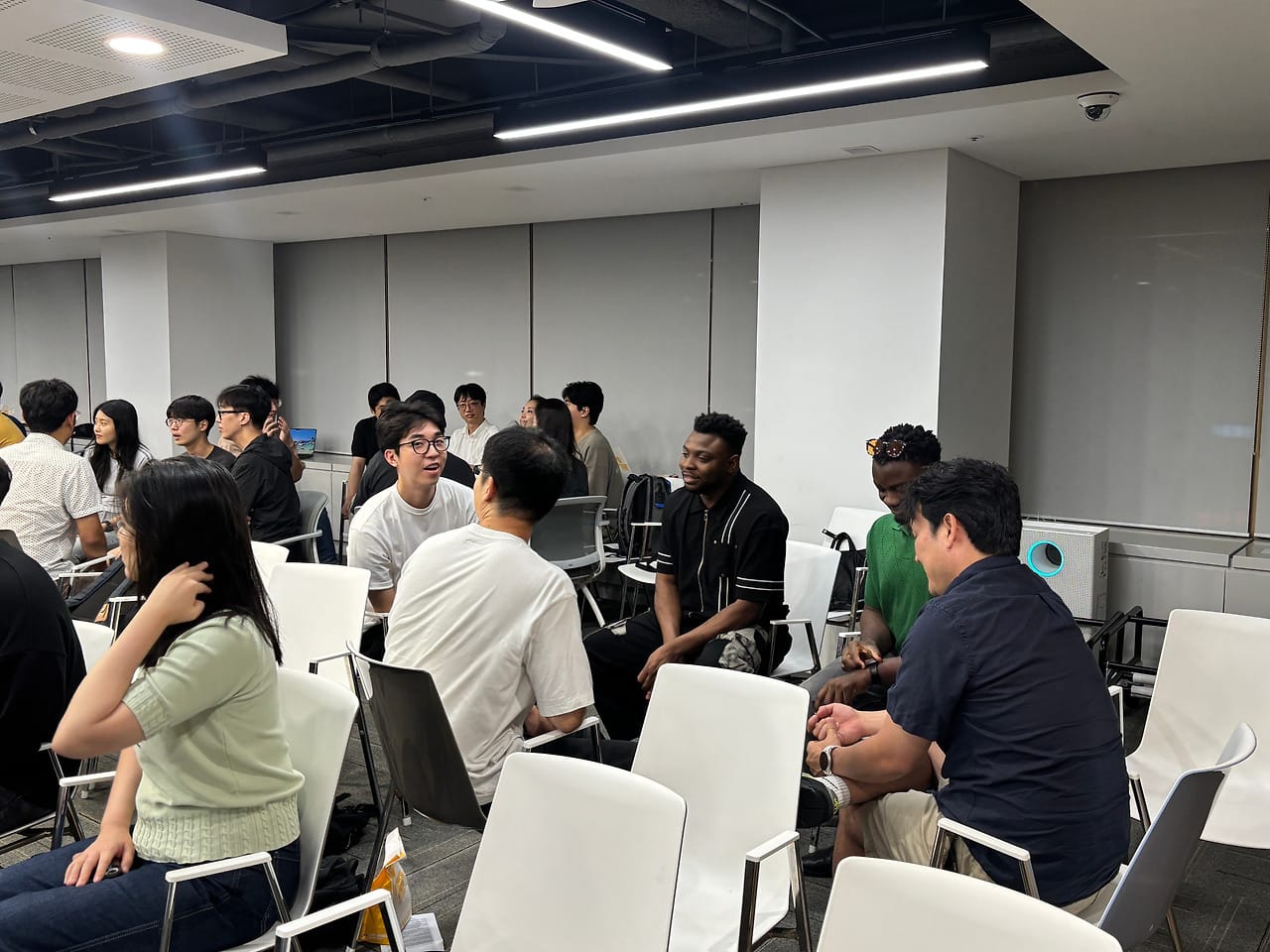
Join Bloom
Bloom builds offline rooms where people and technology meet. We run them in Seoul, and now beyond it.
- 💬 Discord community, where events are announced first
- ▶️ YouTube, full talks from past events
- 📸 Instagram, photos from our events
- 🎟️ Upcoming events