
Your Next Tool Is Our Textbook

🤝 Bloom × Snowflake
🎤 Juwon (Next Challenge School) · Wonjun Han (Bloom)
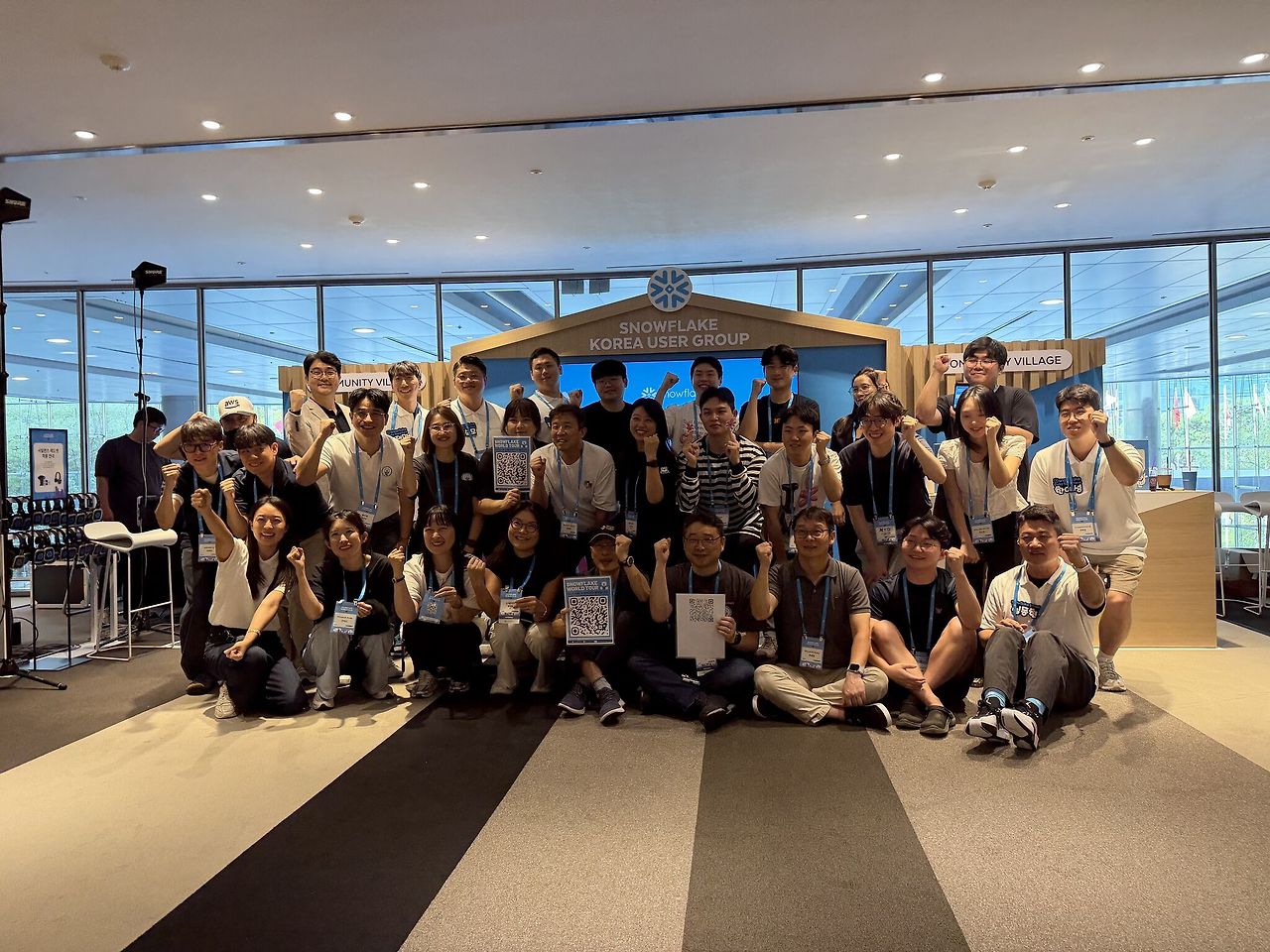
Snowflake invited six of the leading tech communities in Korea to its biggest annual event, the Snowflake World Tour at COEX in Seoul. Sharing the floor with communities from AWS and Microsoft was an honor. There was a friendly competition between the communities on who could bring the most people, and Bloom came in first, winning a food and beverage coupon worth 500,000 KRW that Snowflake will apply to one of our future events.
Tens of thousands of people pass through this event. We prepared two sessions. One introduced Bloom. For the other, we decided not to put ourselves on stage again. The community earned this recognition, so a member of the community should stand there. We opened applications to everyone, and about twenty members raised their hands.
One applicant stood out: a 17-year-old attending Next Challenge School, an alternative school for young founders. We first met at an AWS event, a room full of people in their thirties to fifties, where this teenager showed up alone and ended up presenting as a team leader in the closing group session. I knew then that I wanted to hand them a stage.
So we made an unconventional choice: put the next generation on the biggest conference stage we attend, and let them show how natively teenagers use AI. People around me were unsure, and honestly I had some worries too. Then the talk started, and it may have been the most confident, well-organized talk of any speaker we have hosted. Here is what Juwon, seventeen years old, told the room.
Dropping out was a calculation, not an emotion
I am a teenage founder who dropped out of school. I may be the one person in Korea holding three forbidden keywords at once.
The first slide got a laugh from the audience. Juwon had been an ordinary middle school student, good grades, cram school, the usual track. Then one day the news showed AI writing code and composing music, and a question formed: if AI keeps advancing like this, what will I actually have learned after six years of elementary school, three years of middle school, and three years of high school?
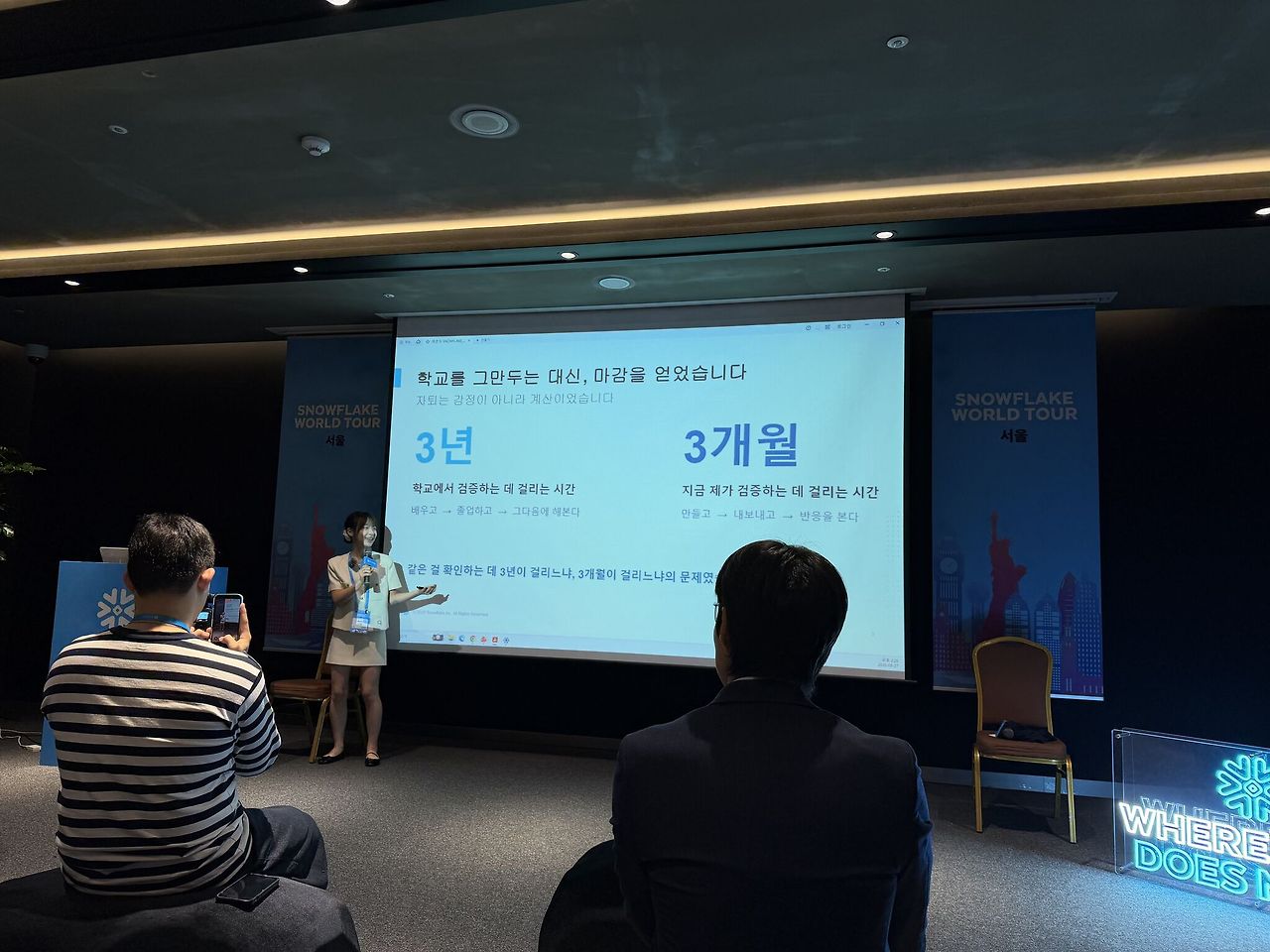
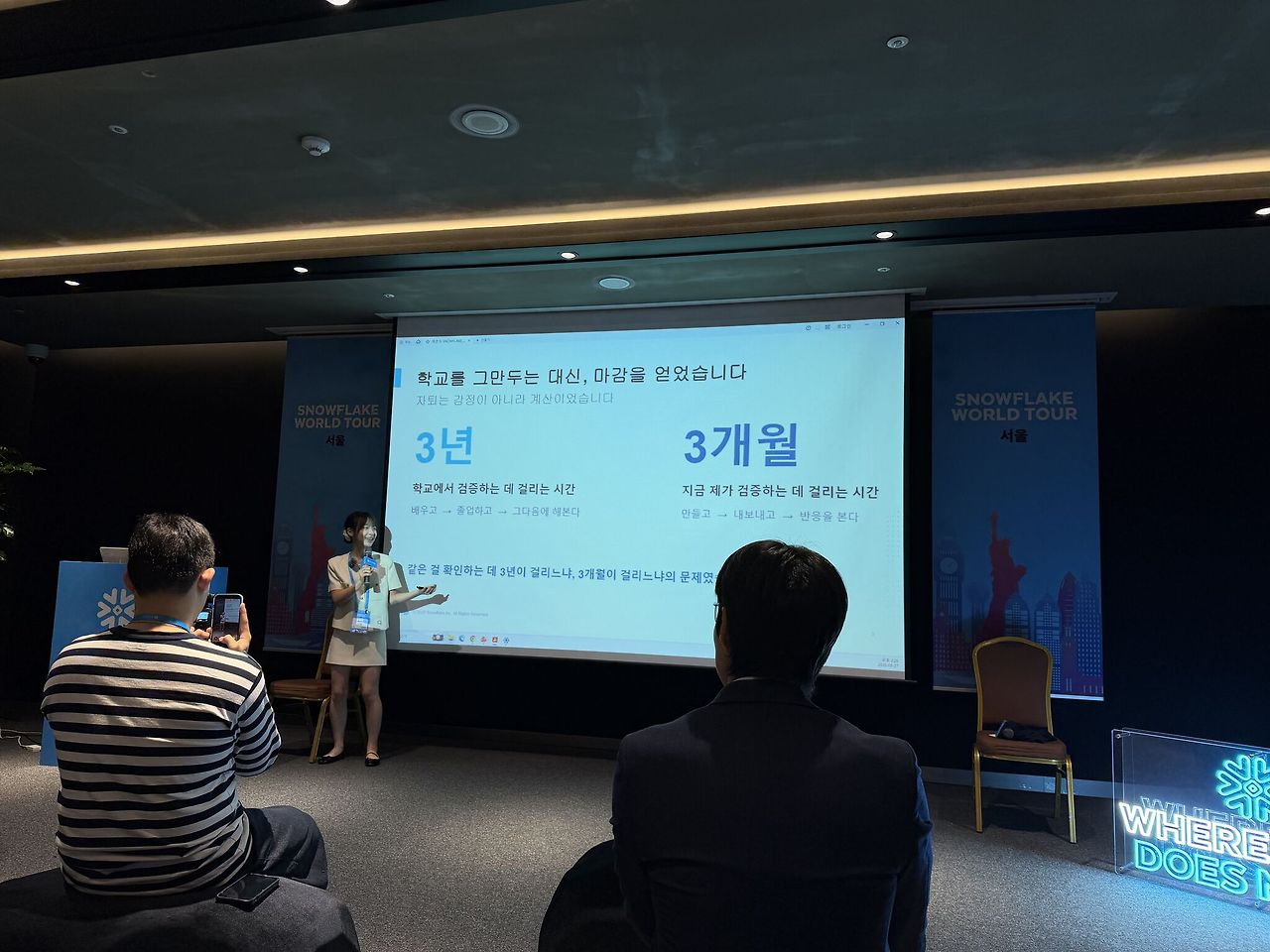
Instead of quitting school, I gained a deadline.
This was the most striking slide of the day. Dropping out was not an emotion but a calculation, with two numbers side by side. Three years: how long school takes to validate anything. Three months: how long it takes Juwon now, by building, shipping, and watching the response. None of the rebellion or despair we usually attach to the word dropout. It was simply a story about cycle time. Juwon now attends Next Challenge School, an alternative school that combines exam prep with the practical skills of building a startup.
What a seventeen-year-old is building
Juwon is building two things right now, one as CTO and one as CMO.
The first is Lessgo, a mission-based screen time management app backed by JA Korea. The structure is simple: set a goal, prove it by capturing your screen time report, compete with friends, and if you fail, the penalty goes to charity. The reasoning behind the design was the best part. Screen addiction cannot be beaten by willpower, and Juwon knew it.
We knew willpower does not work, so we built a structure that does not use willpower.
What it uses instead is the teenage need for recognition. You hold out not because you are strong, but because you hate losing in front of your friends.
89 percent are not sure
The second is Yeochideul, which makes an acne diagnosis patch with AI-matched skincare. The team surveyed teenagers and people in their twenties directly and won the top prize at a youth startup competition. In the survey, 89 percent said they are not sure the cosmetics they use actually fit their skin. Juwon has lived this: a dermatologist says oily skin, the drugstore scanner says dry skin, and the information never lines up.
The talk was precise about why existing options fall short. AI skin analysis apps give different results depending on lighting and camera. A full dermatology workup is accurate but priced far beyond a teenager. So the team is building a patch you wear while sleeping that directly measures pH and squalene, aiming to analyze your skin and recommend matching skincare for five or six thousand won.
Teenagers do not learn AI, they use it
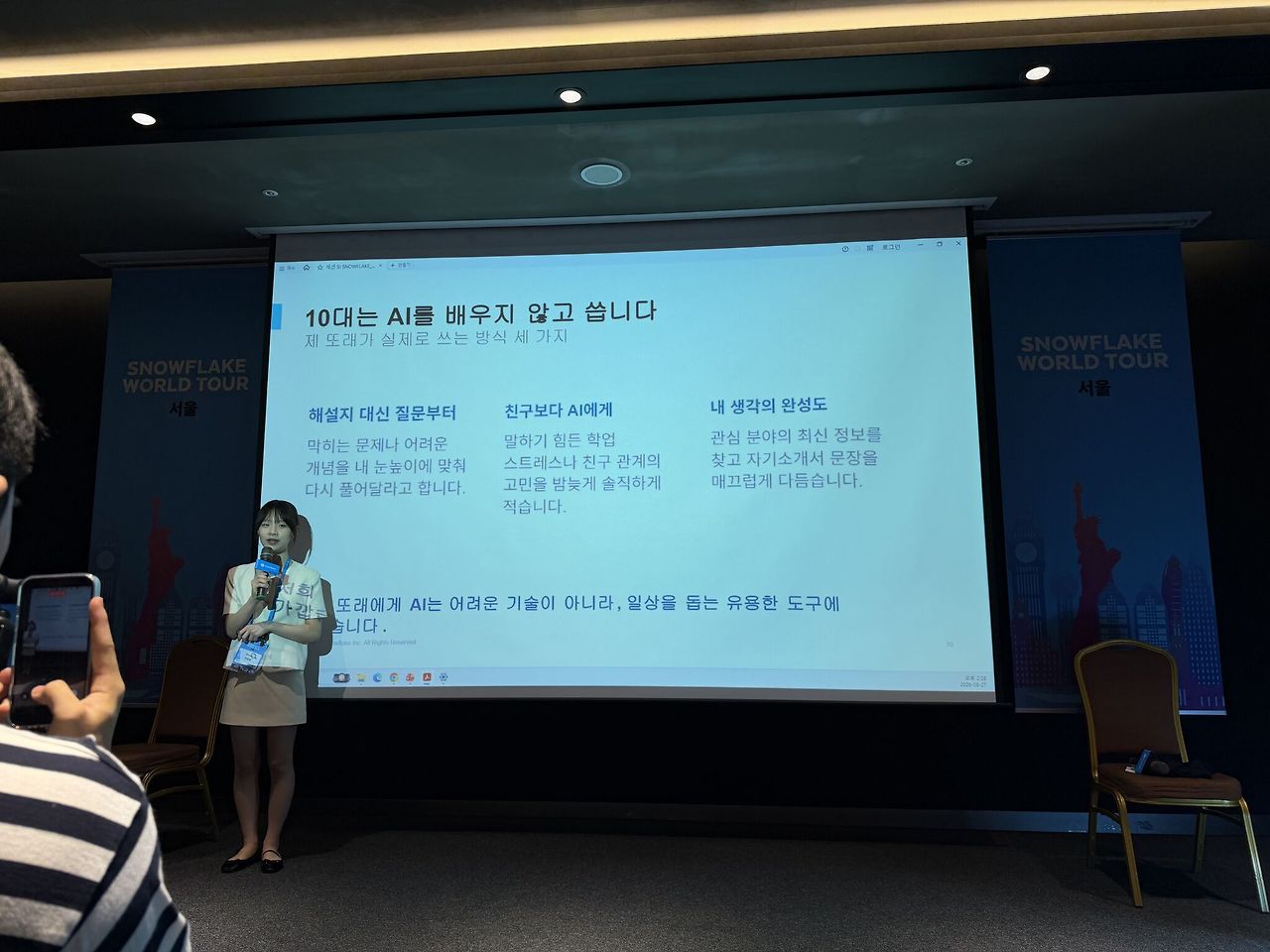
This is where the room got quietest. Teenagers, Juwon said, do not learn AI. Outside, meetups on how to code with AI are everywhere, so this sounds strange until you hear how they actually use it.
First, they ask questions instead of copying answer sheets. Where a bored student once copied the answer key, they now ask the model to explain why the answer is what it is, and keep asking until it makes sense at their level. Second, they confide in AI before friends. The worries that feel too awkward for friends, late-night stress about school or relationships, go into the chat honestly. Juwon admitted to being a little worried about this pattern too. Third, they use it to finish their own thinking: finding the latest information in a field of interest, and turning an idea in their head into an actual business item.
For my generation, AI is not a difficult technology. It is closer to a useful tool that helps with daily life.
Schools teach classes on how to use ChatGPT or Claude, and the kids do not take them. They prefer growing with the tools and building with them.
And this is where we stopped
The second half made this session special. When a teenage founder gets a stage like this, the talk usually ends on achievements and potential. Juwon spent an entire slide on failure instead. Its title: and this is where we stopped.
First, reading the color of the patch. A slight change in lighting made the same color read differently. Following advice from an AI model, the team went to a university lab to run the experiment, and it failed badly. Where domain knowledge was required, AI only offered plausible answers. Second, real users: what worked on one phone broke on a friend's phone, in cases nobody had thought to ask about. And third came the peak of the day.
I could not fix it because I did not know why it was broken. I could not even form the question to ask the AI.
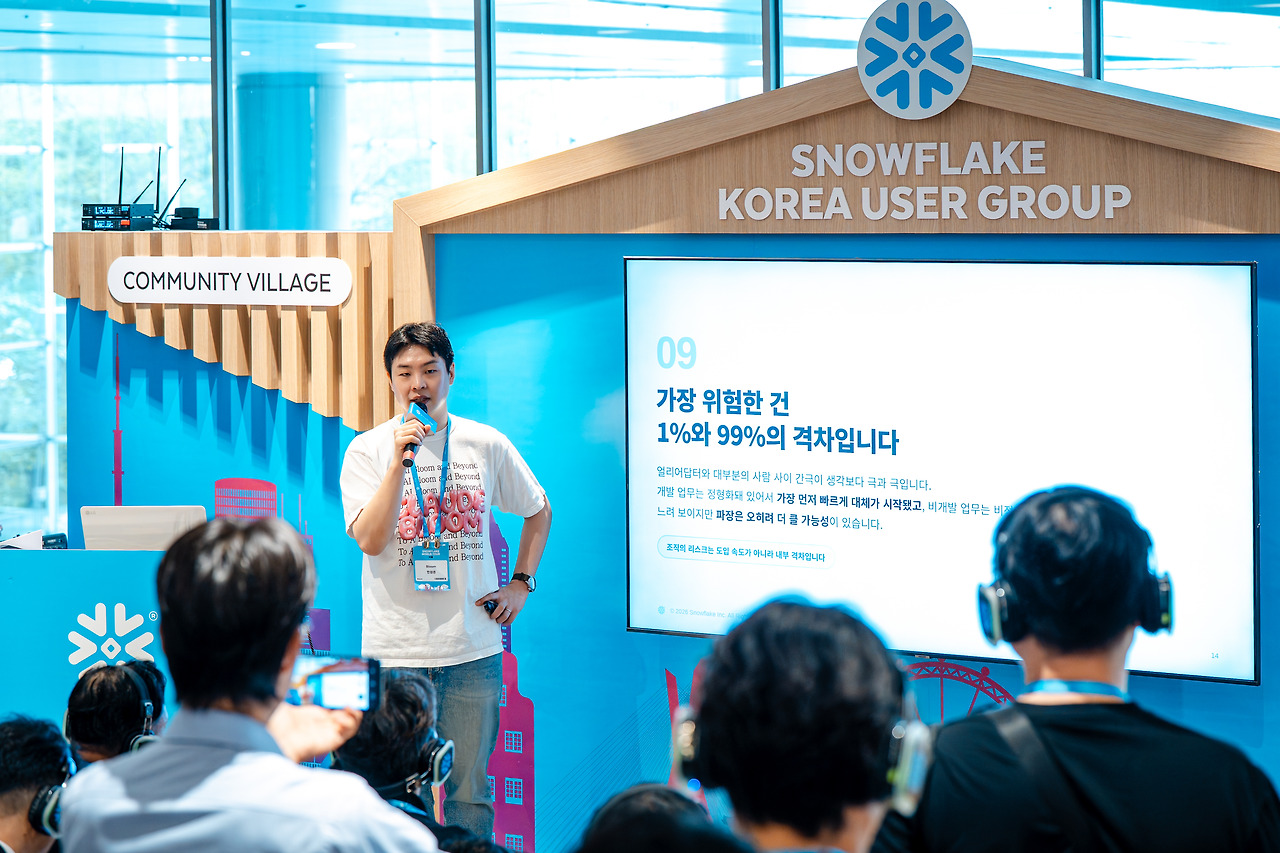
Building the app through vibe coding, alerts said the database had a problem, but without years of engineering experience there was no way to locate it. Juwon called it a paradox: solving problems AI created by asking AI. Adults have only recently started talking about how delegating to AI weakens the muscle of judgment. A seventeen-year-old was already aware of it, and brought it up first, on stage.
The tools you build next
The tools you build next are our textbooks.
The final slide was this single sentence. AI is the community we live alongside, our friend, and in some ways our teacher, Juwon added. The room was full of people who build data infrastructure and AI products. A seventeen-year-old had just redefined the meaning of their work for them.
How to get the school lunch menu on KakaoTalk
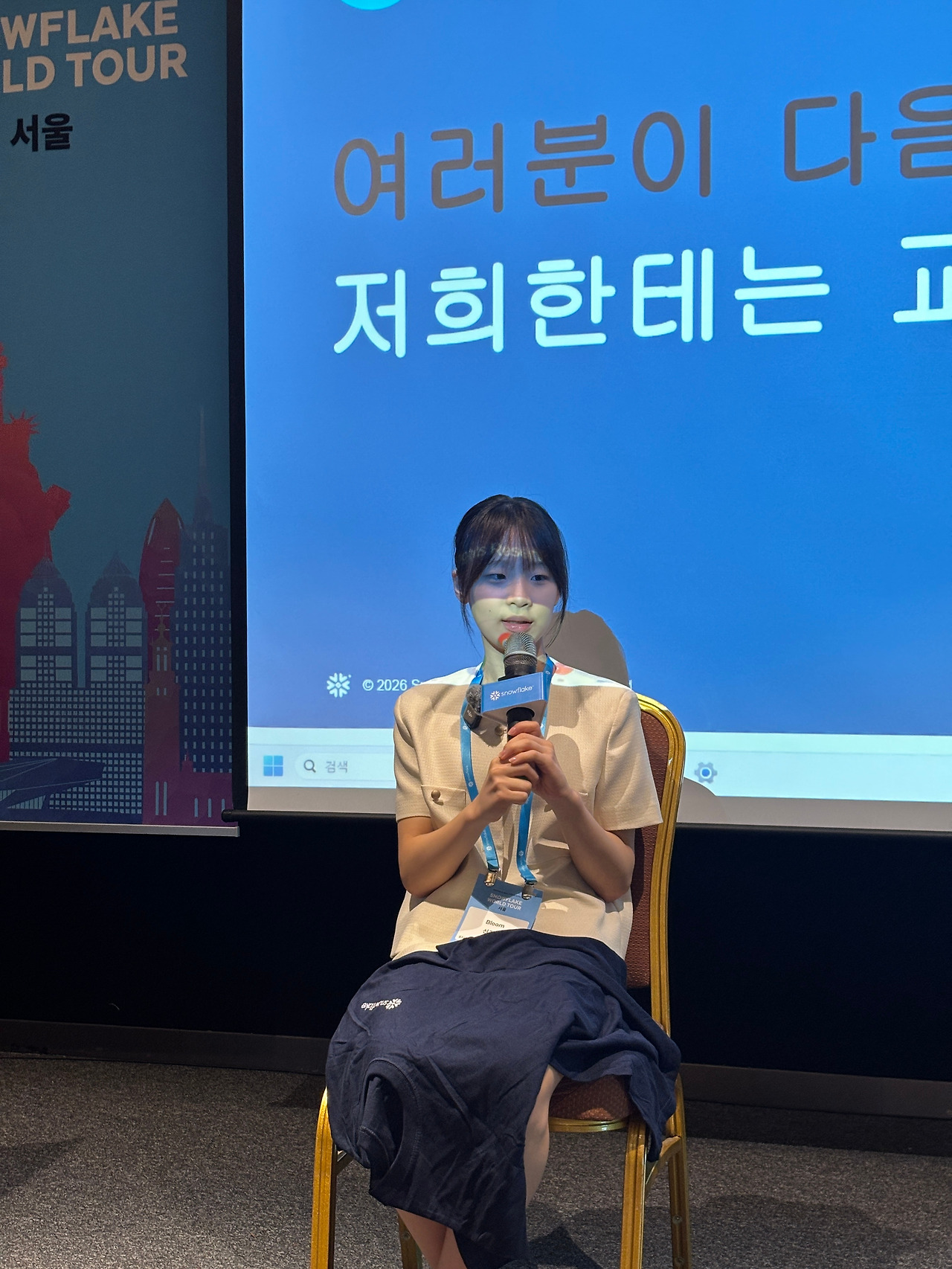
The remaining fifteen minutes were a panel talk. I started with the story that struck me at our first meeting. The school lunch menu was only posted on the school website, and checking it every day was annoying, so Juwon attached an agent that delivers it to KakaoTalk every morning. What impressed me was not the technology but the flow of thought: something in my life is inconvenient, how do I solve it, oh, I can just hand this to an agent. Most of us reach for the old way first and think of AI later.
Juwon drew one line, though: teenagers do not use AI as specifically as adults imagine. Answering questions and satisfying curiosity is the biggest role. Less a deliberate tool, more something dissolved into daily life.
Instead of the academy teacher
I asked about their friends. These days they ask AI far more often than a search engine. During online lectures they keep AI open on the side like a private tutor, asking the moment something is unclear. Where students once messaged their tutor or academy teacher with a photo of a problem, they now drop the photo into AI, which explains it more simply, more accurately, and for free. I asked whether that means less interaction with teachers and friends. The answer was yes. Honestly, that answer left me with mixed feelings.
Where the school draws the line
This was the question I most wanted to ask: schools cannot ban AI, so where should the line be? Next Challenge School encourages AI use. Asking about homework is fine. Asking AI to build your presentation deck is fine. But there is a line: using AI to find your arguments in a book debate, or running AI and presenting its thoughts as your own when the class asks for your thinking. Anything where the thinking itself is yours to do, they hold back on.
Thinking comes from your own head; expressing and executing it can be handed to AI. The school drew that line for them. Companies face the exact same problem. New hires now learn from AI instead of from seniors, and reports written entirely by AI, untouched by thought, keep landing on desks. Schools and companies are working out the same answer in parallel.
Sending the conversation instead of Notion
I asked what adults use that they do not. The biggest one: Notion. Companies write documents, organize them, upload them, share them. This team instead shares one team account on an AI tool and passes around the conversations themselves. Projects are named after people, and the ask sounds like: I talked through this, come into my file and take a look. Not a polished report but the context itself, in the form an agent understands best. If someone asks me what an AI-native organization looks like, this is now the scene I will describe.
They do not mind if it looks AI-made
In companies, a report that smells of AI is frowned upon: it looks low-effort and possibly hallucinated. Among teenagers? No resistance at all, because everyone uses AI and everyone assumes AI is smarter than they are. One nuance remained: AI-generated music and images still feel a bit off, Juwon said, while also admitting that having seen them since middle school, they feel almost familiar by now.
So how deep is AI in your industry
Asked whether there was anything to ask back, Juwon had a prepared question. Teenagers keep hearing that developers will disappear, researchers will disappear, marketing will be automated, and they discuss it among friends constantly. But they almost never meet people who actually hold those jobs. So the question, thrown at an audience full of senior professionals: tell me your job, and tell me how far AI has actually penetrated your industry. Watching a seventeen-year-old put that question to that room, I knew this session had been worth it.
Juwon also shared a story about a friend who has coded since childhood, works on backend, and was preparing for a computer science degree. The friend keeps saying: I am in trouble, AI is doing everything, there is nothing left for me. When we say education is shaking, for the people inside it the fear is far more concrete.
The dream one year out
Finally I asked about the year ahead. Dream big and you catch at least a fragment, Juwon said: sell the services to companies and the public sector and reach one billion won in revenue within a year. Then, immediately:
And if not one billion, I want to earn at least one million won into my own bank account.
I loved that these two sentences sat side by side. Very few people can state an outrageous goal and a completely realistic one in the same breath.
That day at COEX
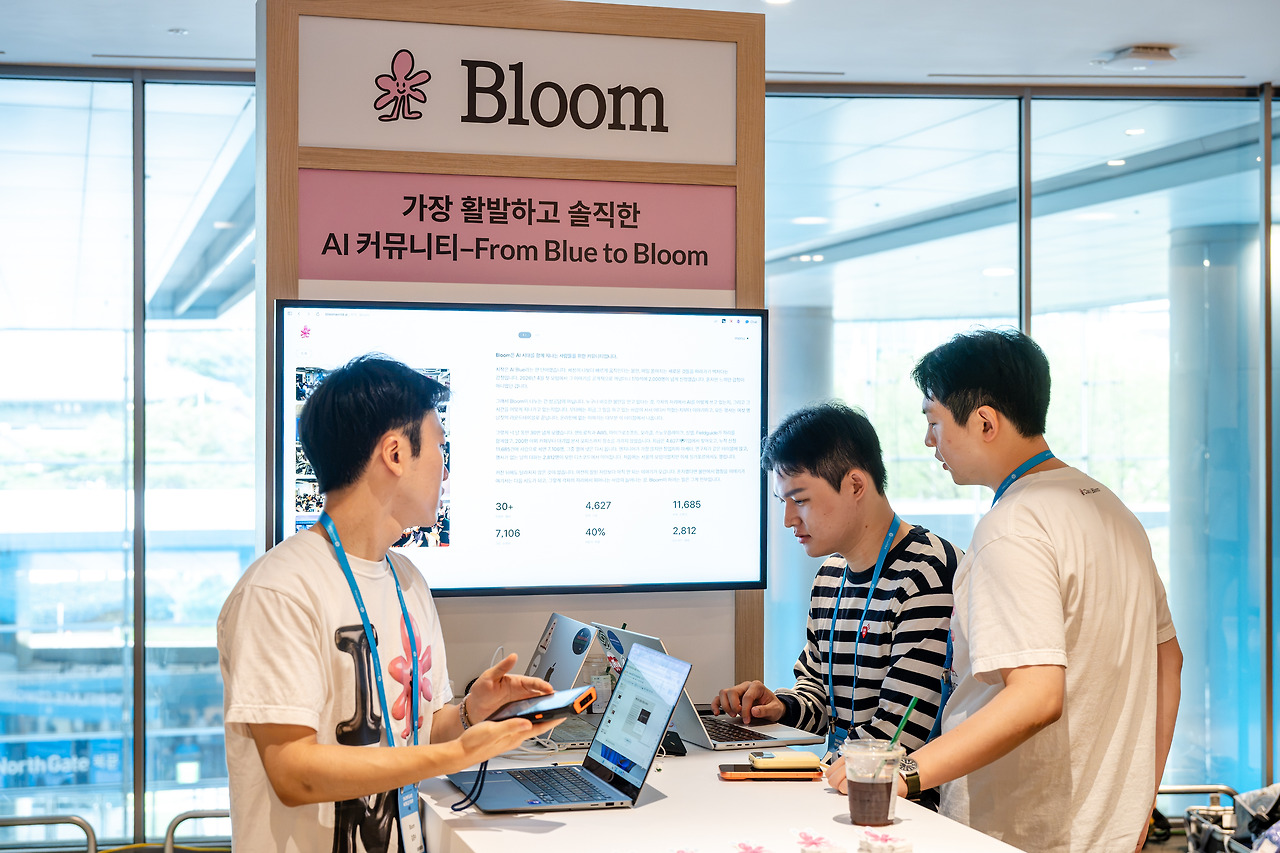
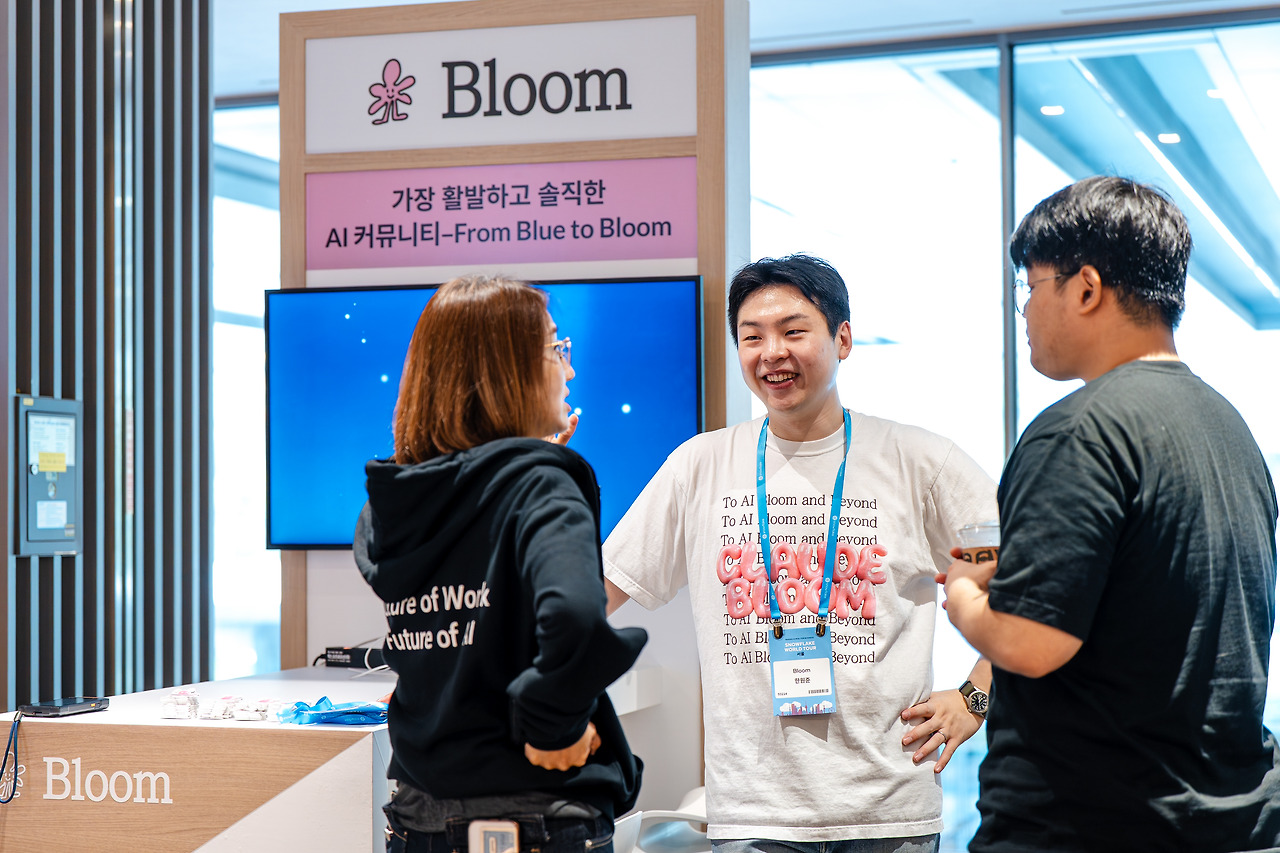

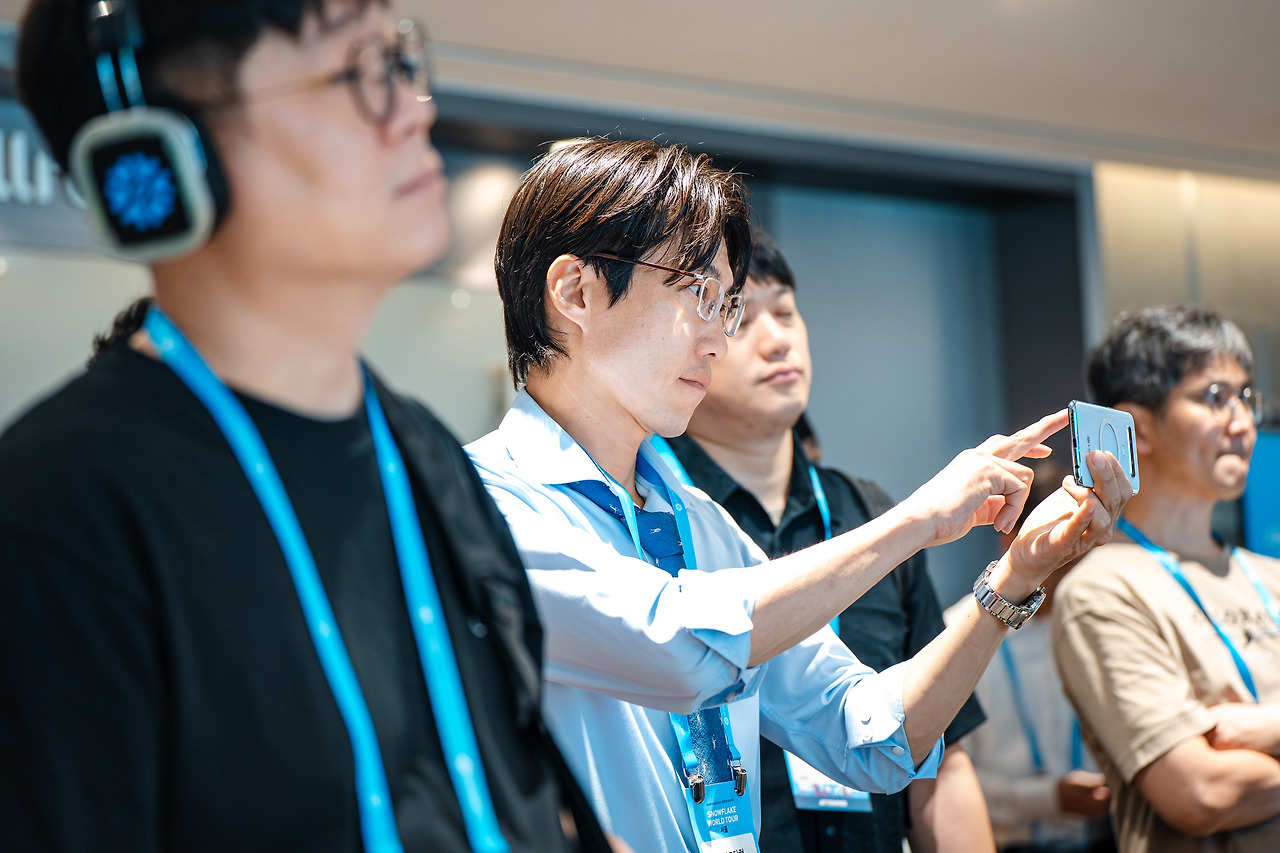
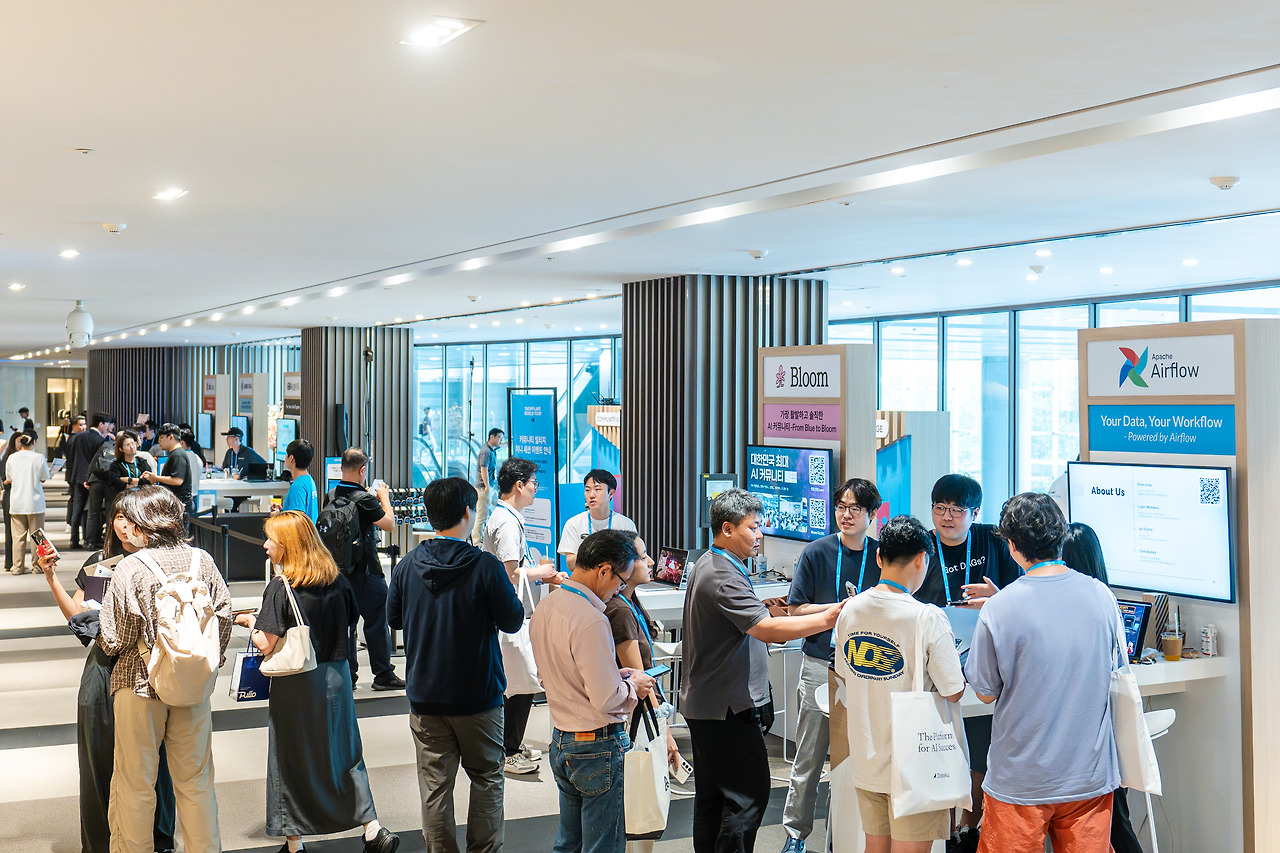
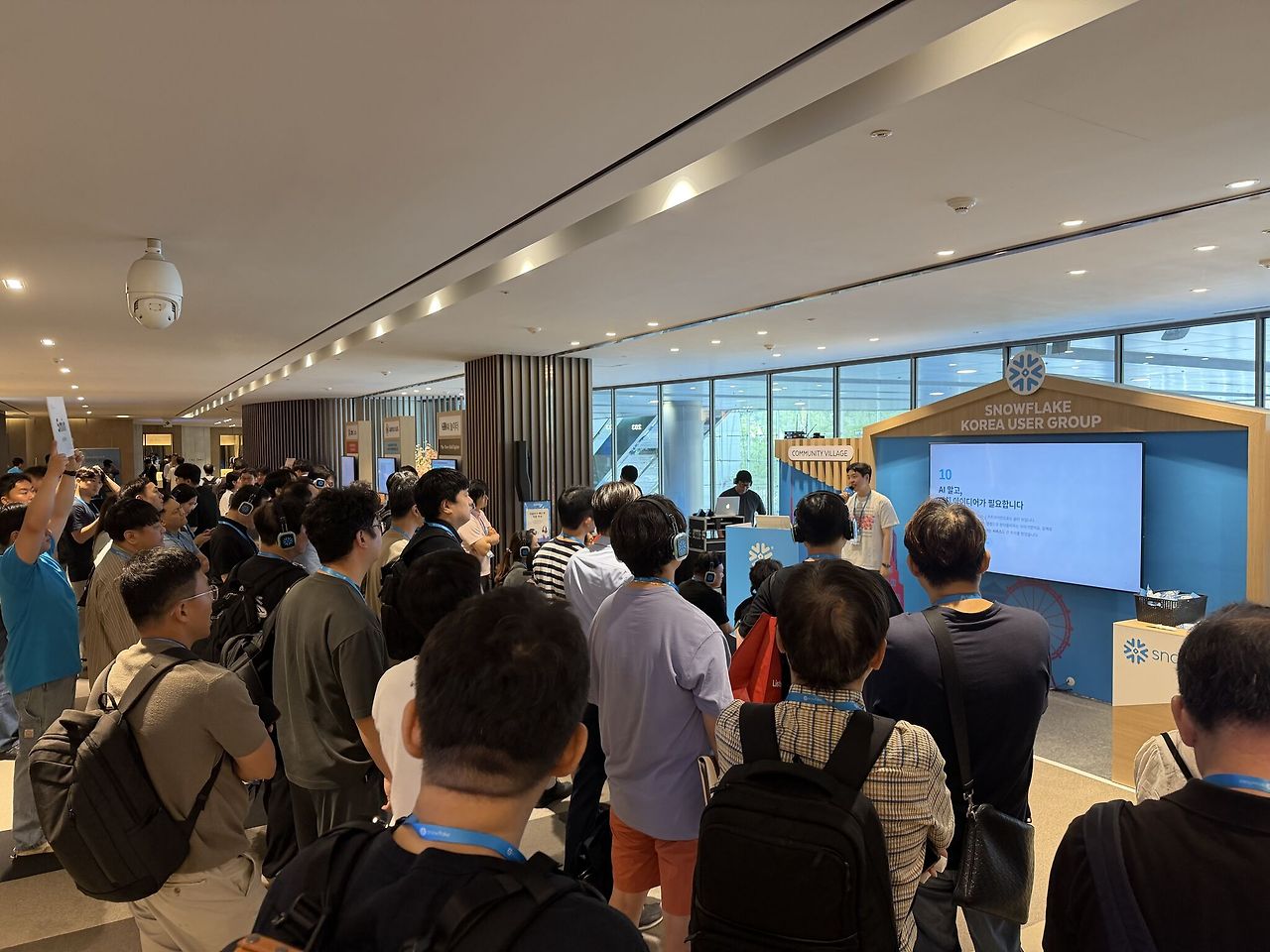
Bloom also ran a booth in the Community Village that day, under the slogan: the most honest and active AI community. Visitors scanned a QR code to join, got a stamp, and received a Discord invite. At noon I spoke on the main stage about how a single blog post, born from AI Blue, the feeling of getting more depressed the more you use AI, grew into a community. And at 2:20 PM I sat back and watched a seventeen-year-old carry that story forward.
Our booth also drew the most sign-ups among the participating communities. For a community barely four months old, that is entirely thanks to the members who show up every week.
If I keep one line
I could not even form the question to ask the AI.
If I take one thing from the day, it is this. We usually talk about using AI well: how to prompt, how to feed context, how to attach tools. But the real wall is the moment a question refuses to form. If you do not know what to ask, the best model in the world cannot help you. And that comes down to how well you know your domain. What a seventeen-year-old learned by failing an experiment in a university lab is exactly what we are learning at work.
Thank you
Thank you to Snowflake for creating the opportunity, and to Juwon for taking the stage. Above all, this opportunity was created by the members who come every week. That is why we handed the stage back to a member, and why we will keep doing it this way whenever a good stage comes along.
Join Bloom
Bloom builds offline rooms where people and technology meet. We run them in Seoul, and now beyond it.
- 💬 Discord community, where events are announced first
- ▶️ YouTube, full talks from past events
- 📸 Instagram, photos from our events
- 🎟️ Upcoming events