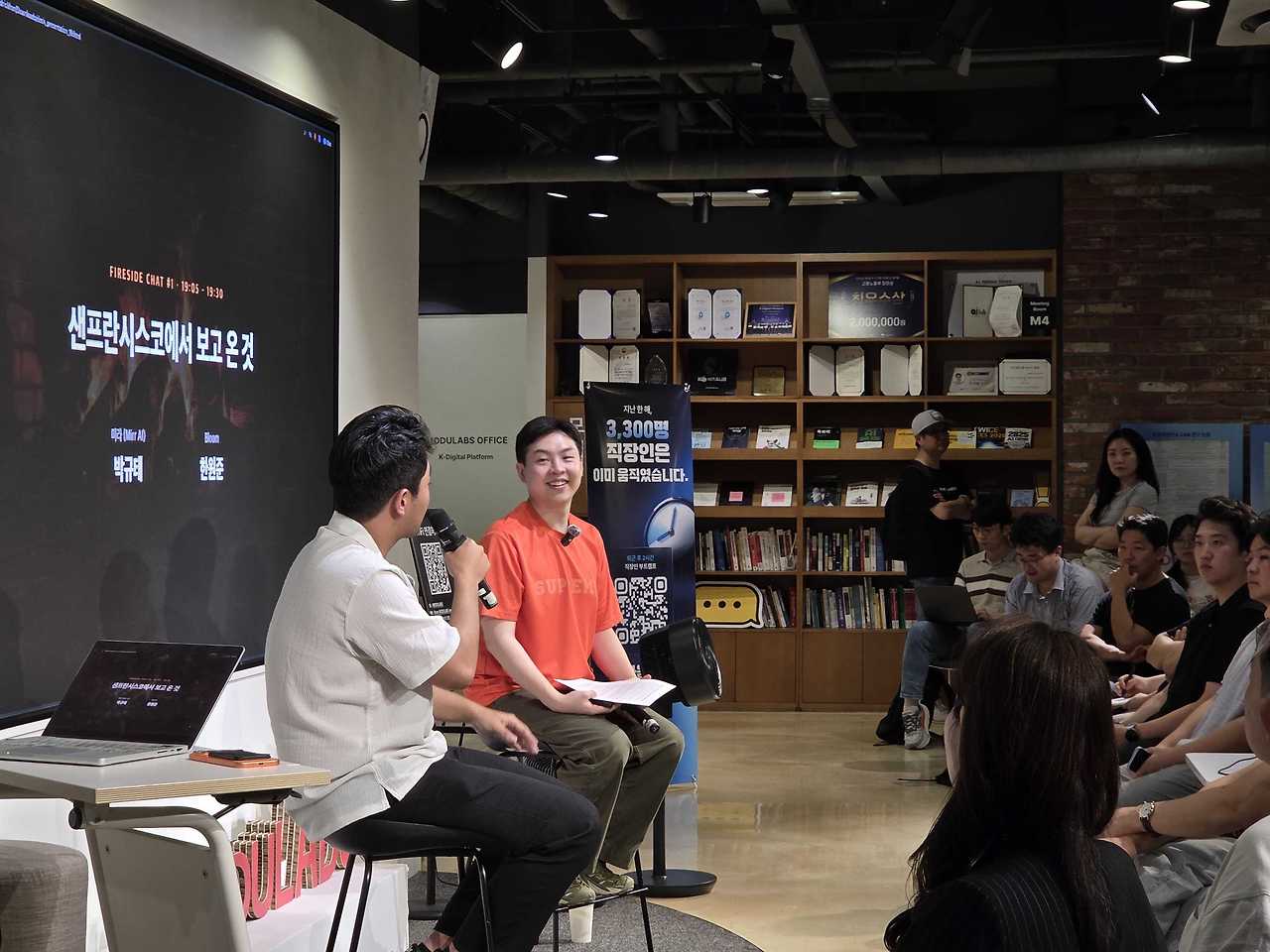
A City of 30,000 Elon Musks
A founder who spent fifty days in the US and a Wall Street trained career coach reached the same conclusion: stop thinking and move.

A founder who spent fifty days in the US and a Wall Street trained career coach reached the same conclusion: stop thinking and move.
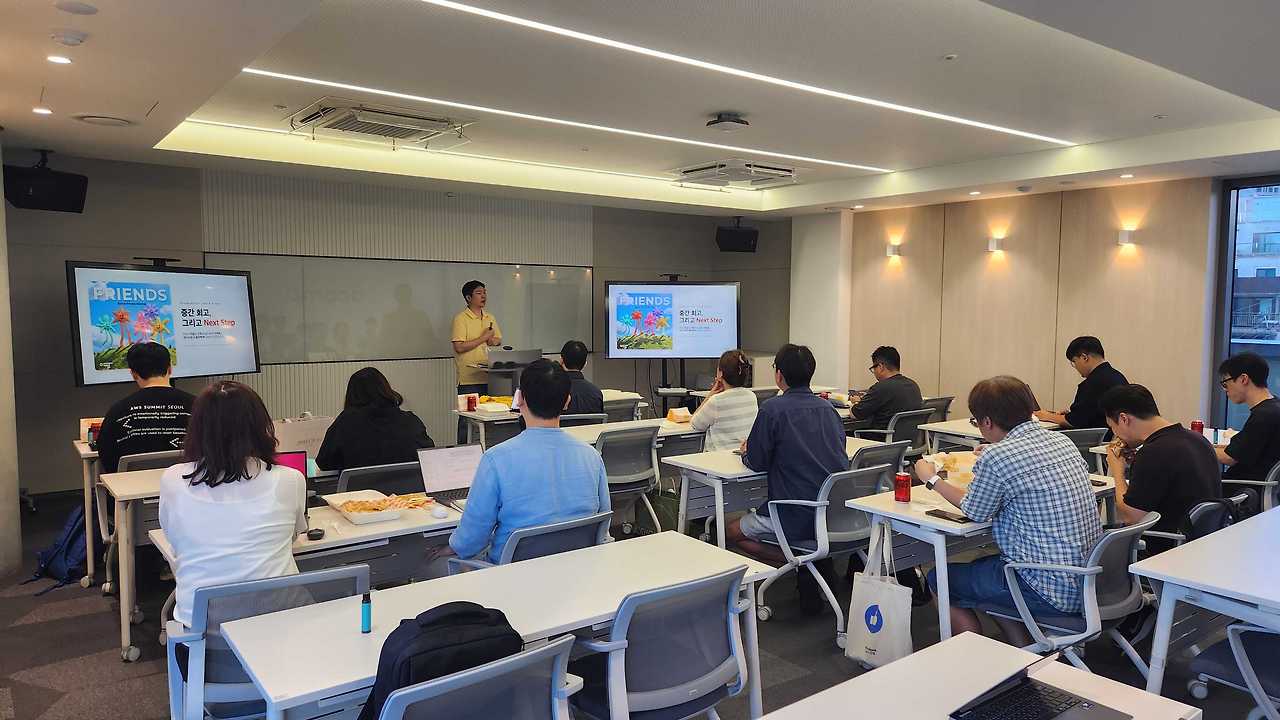
We opened twenty seats with no agenda and thirty-five people came. Four months of members told us, honestly, where this community should go.

More than 1,500 people applied and the seats were gone in a day. The night turned on a single reframe: stop asking which business is safe from AI, start asking which business grows because of it.
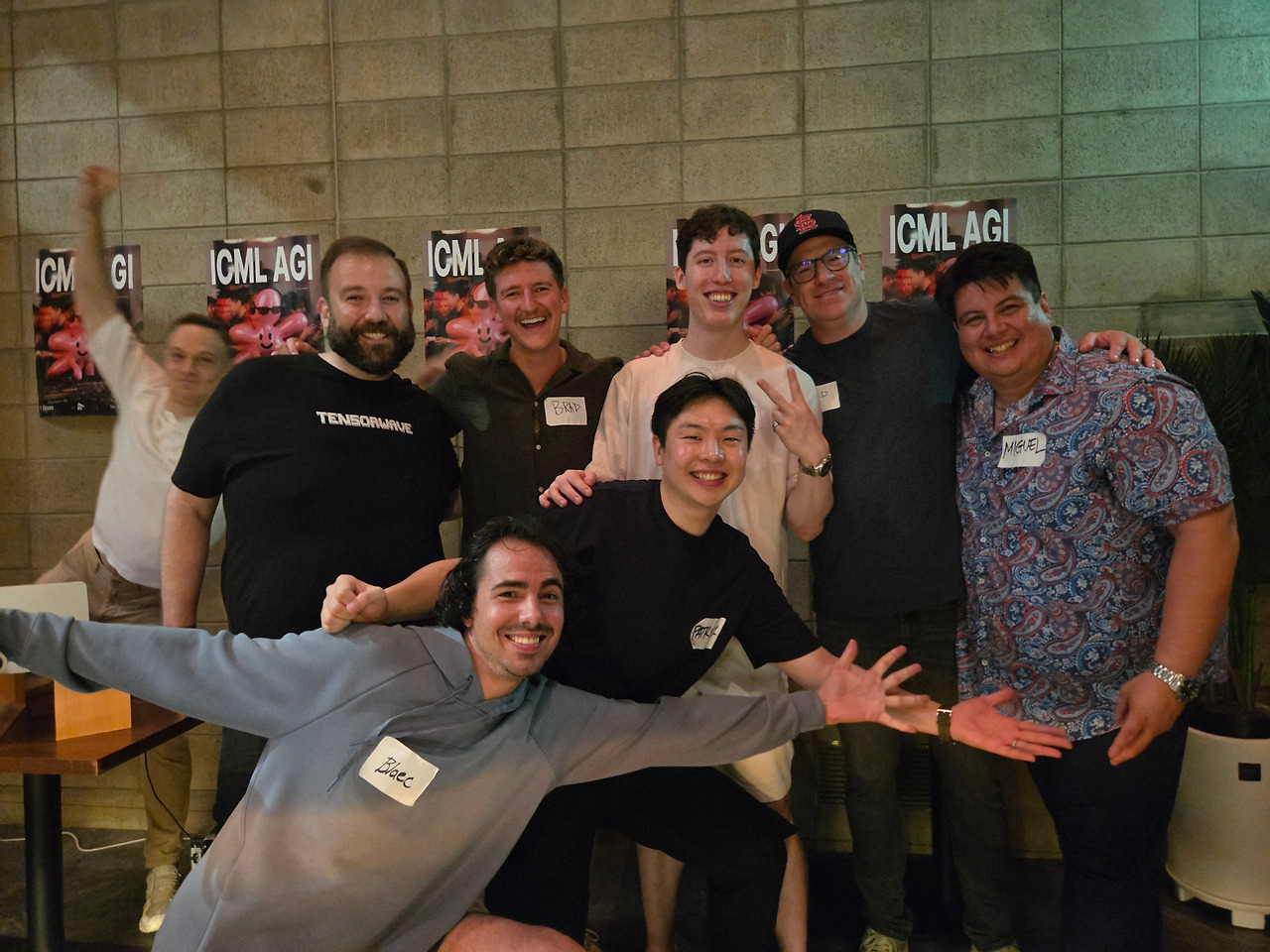
The top machine learning researchers in the world were in Seoul for ICML week. We ran the afterparty, and the night nearly fell apart before it started.
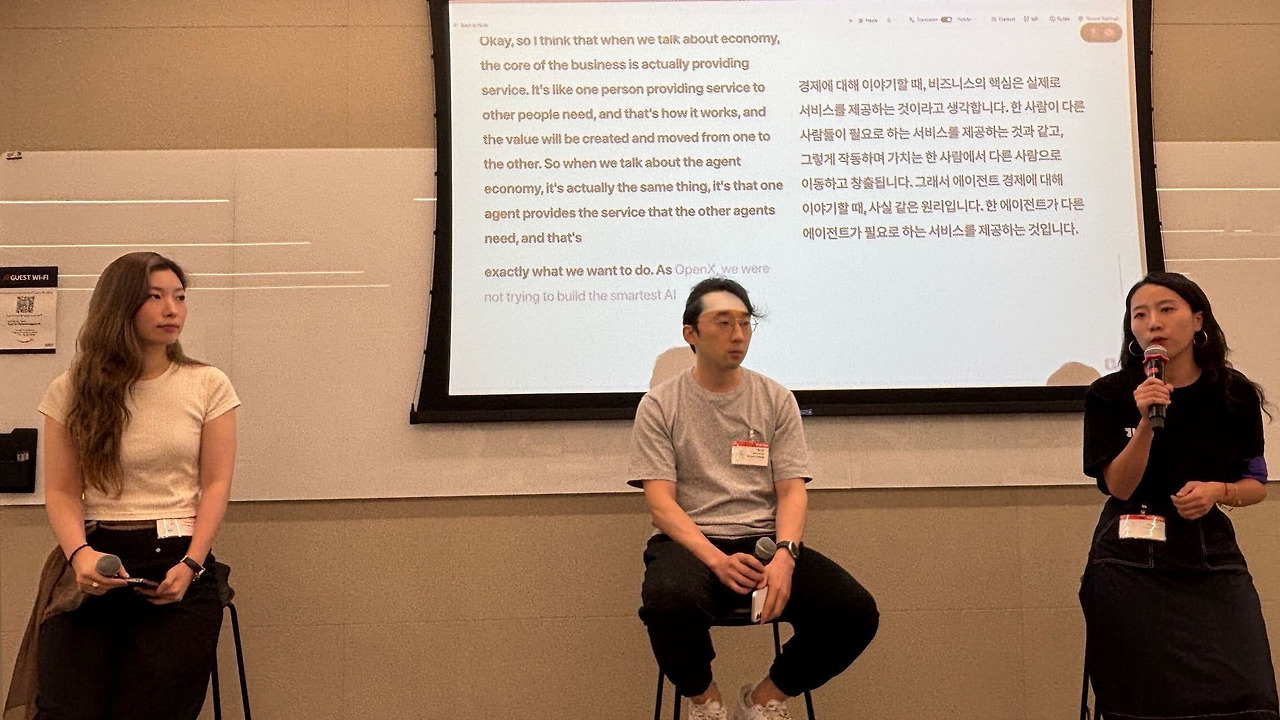
How a regulated exchange put coding agents behind five governance rules, why individuals use agents well and organizations do not, and what happens when agents start hiring other agents.
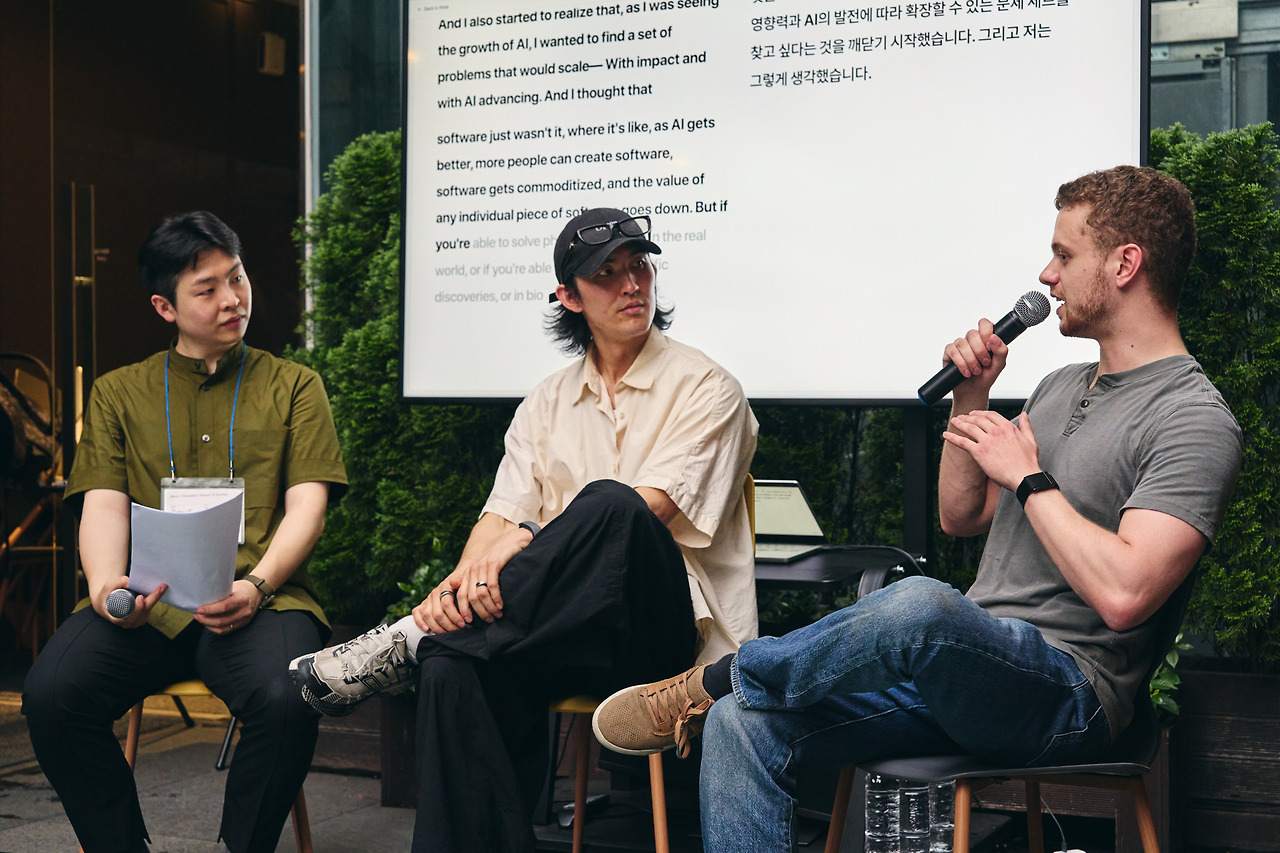
One founder clears the path for companies entering the US and UK. The other is building personalized cancer vaccines. Their advice to a room of Korean builders was not hedged.
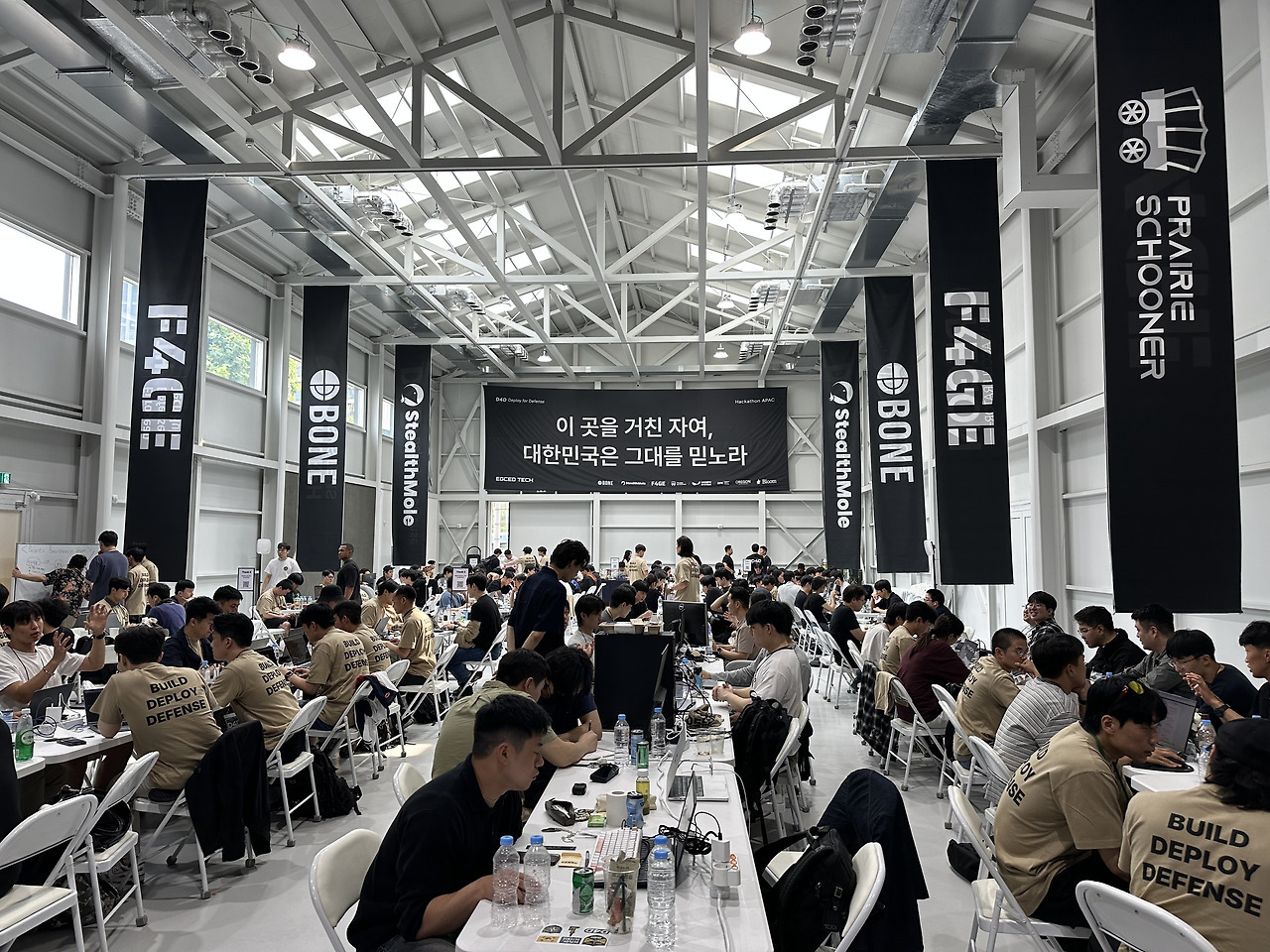
A twenty four hour defense hackathon put AI builders in a room with soldiers and veterans. The technology gap with adversaries is now measured in months, not years.
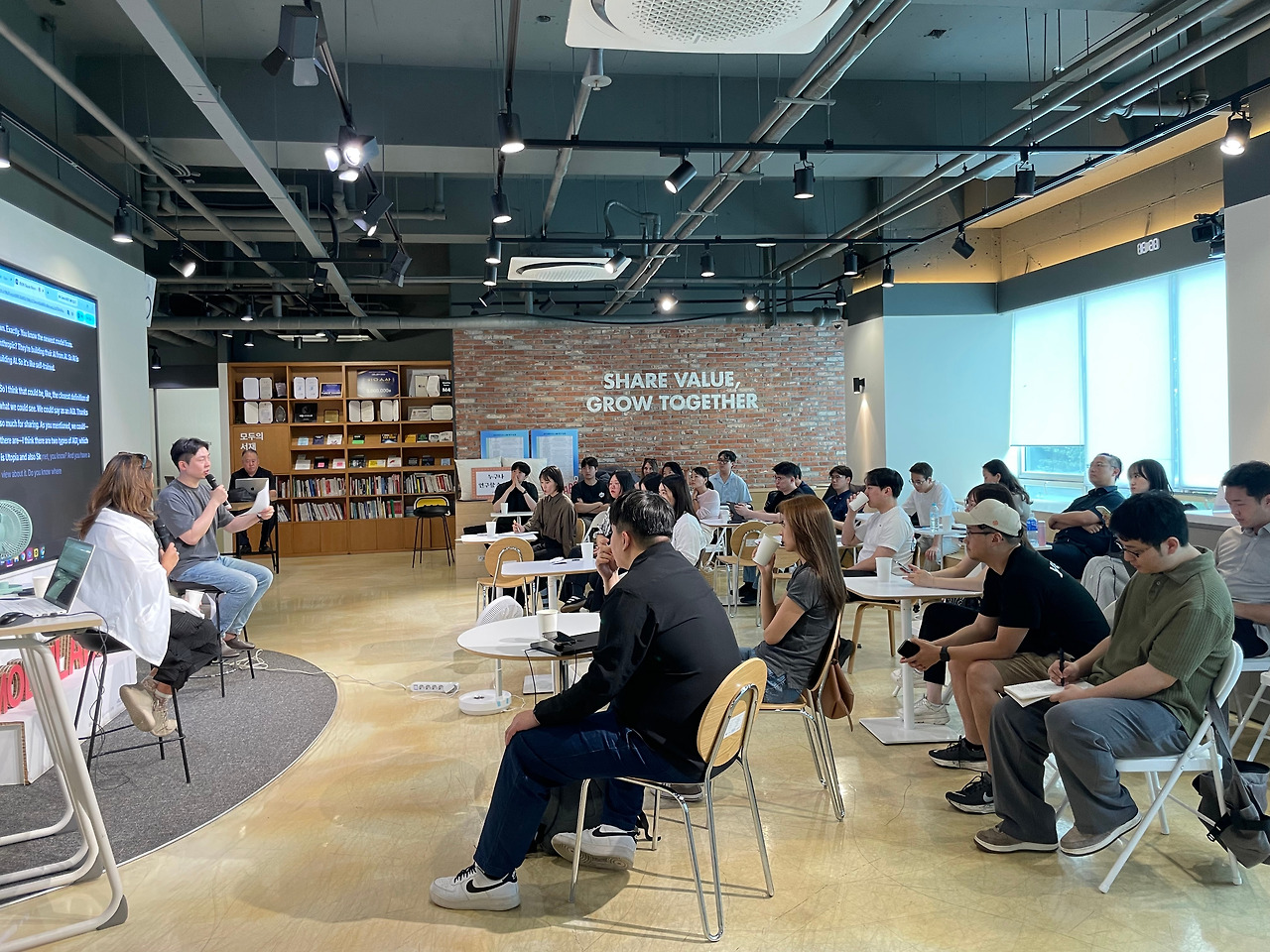
Regulation looks like protection for knowledge work. Her argument is that it protects accountability, not the work itself, and those are very different things.
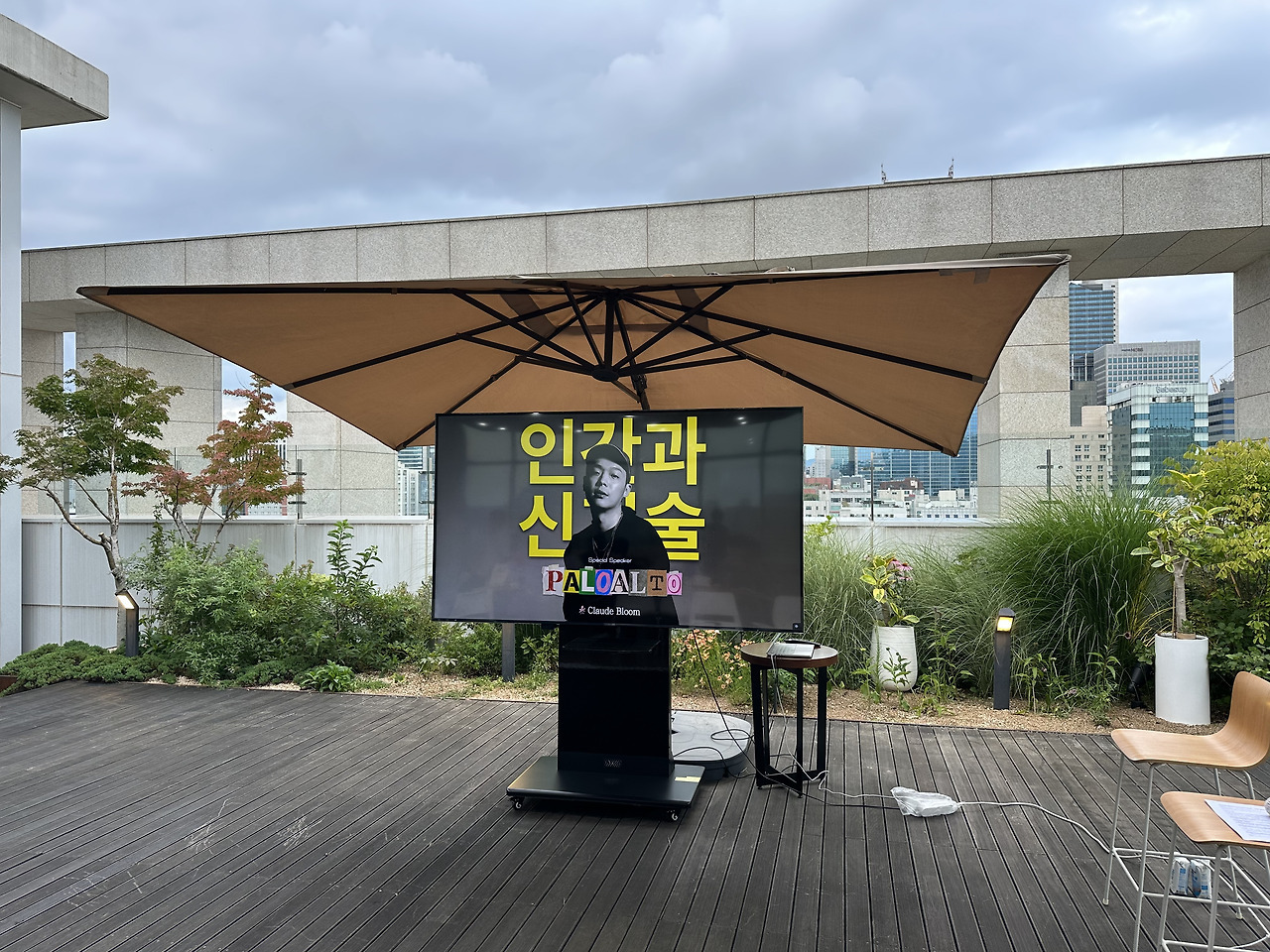
AI already makes music better than people do, he said. But nobody consumes only the music. They consume the story on either side of it, and that part is still ours.

The tightest constraint in GPU supply is HBM memory, and Korea holds a dominant share. A neocloud founder on why that changes the country position, and a creator whose videos found 70 percent of their audience abroad.

The anxiety is aimed at the wrong target. A conversation on agents, memory, and why individual skill with these tools does not make an organization good at them.
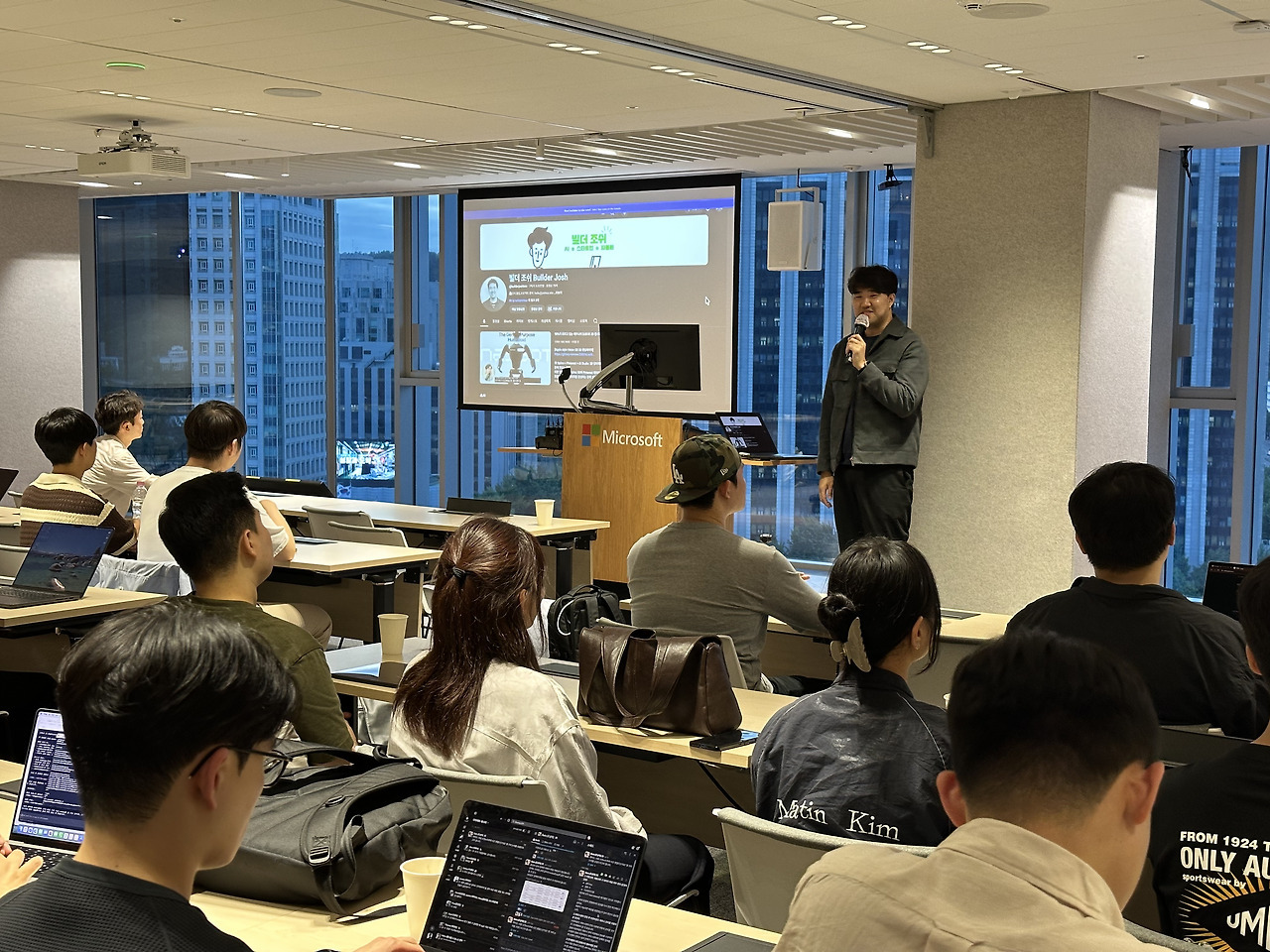
The gap between using AI and using it safely is where most enterprise risk sits right now. The fix starts somewhere much smaller than a system rollout.