Claude Blue: All of Silicon Valley Is Depressed
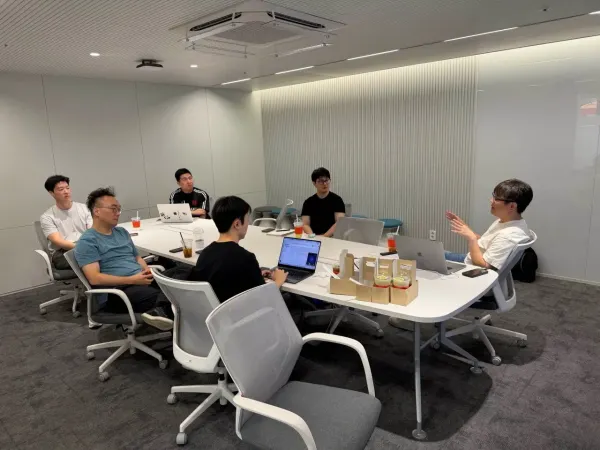
AI now writes more code than humans can review, yet of about 15 professionals asked across the US and Korea, not one felt a bottleneck or harm from AI.

AI now writes more code than humans can review, yet of about 15 professionals asked across the US and Korea, not one felt a bottleneck or harm from AI.
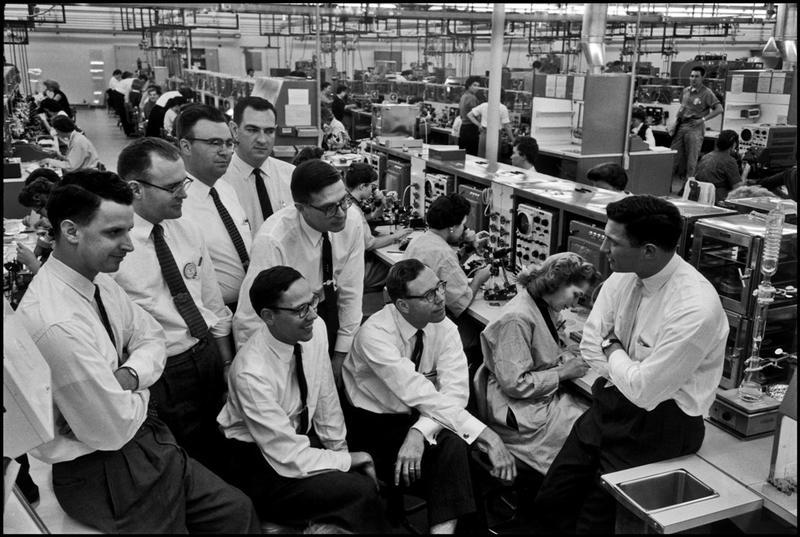
Critic Woojin Cha fed decades of his own columns into a model and runs about ten projects at once, and reads Korea's AI rush as the Bitcoin pattern.

A Reddit post drew a US journalist whose questions were philosophical, not technical, and the story that landed hardest was a 93-year-old using ChatGPT.
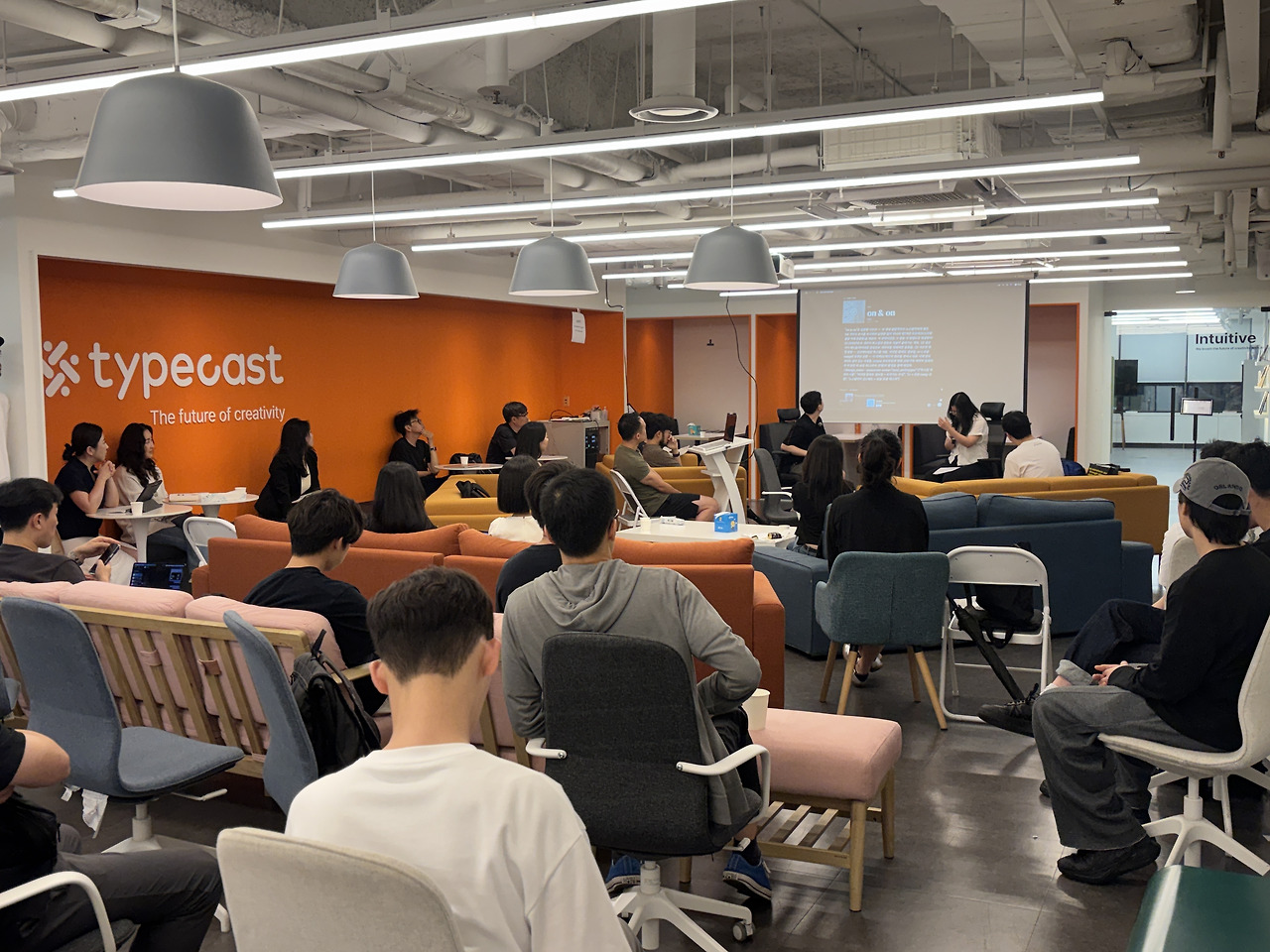
A founder whose deal collapsed the day before signing and a Toss engineer preparing a YouTube channel reached the same conclusion: what lasts is not the ability to build, but the ability to reach.

A curated dinner for 4 to 6 people, matched by interest. No speakers, no sessions, only conversation. Free weekly meetups continue as always.
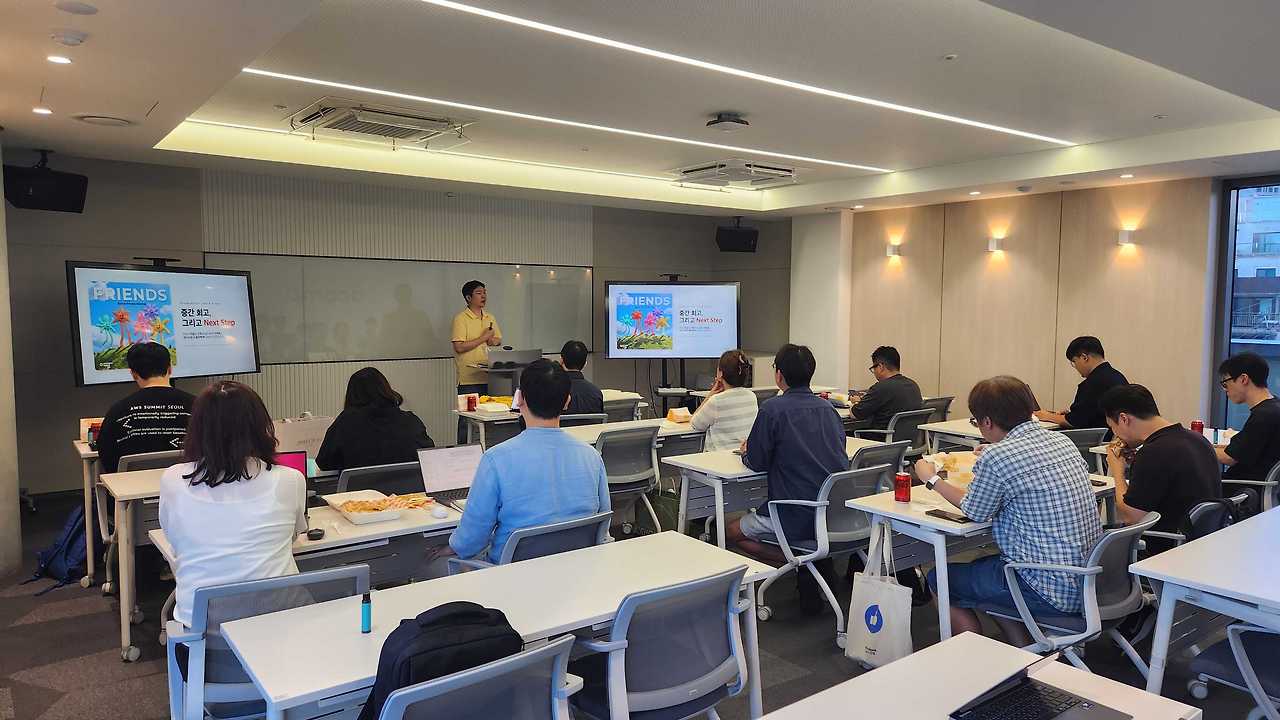
We opened twenty seats with no agenda and thirty-five people came. Four months of members told us, honestly, where this community should go.

People in Washington do not read the Washington Post. What a16z worked out about new media, and why we decided to stay unpolished instead of getting slicker.
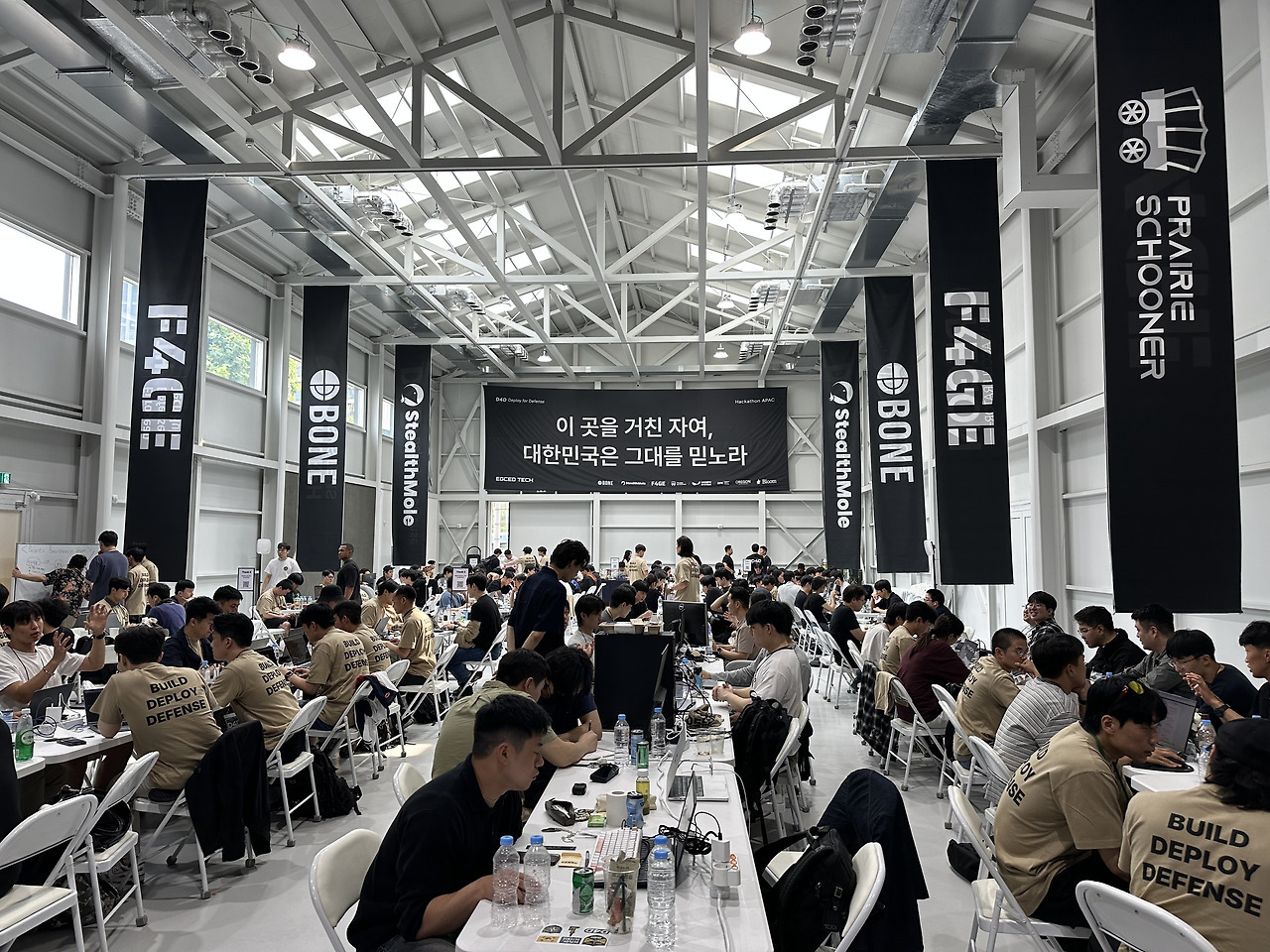
A twenty four hour defense hackathon put AI builders in a room with soldiers and veterans. The technology gap with adversaries is now measured in months, not years.
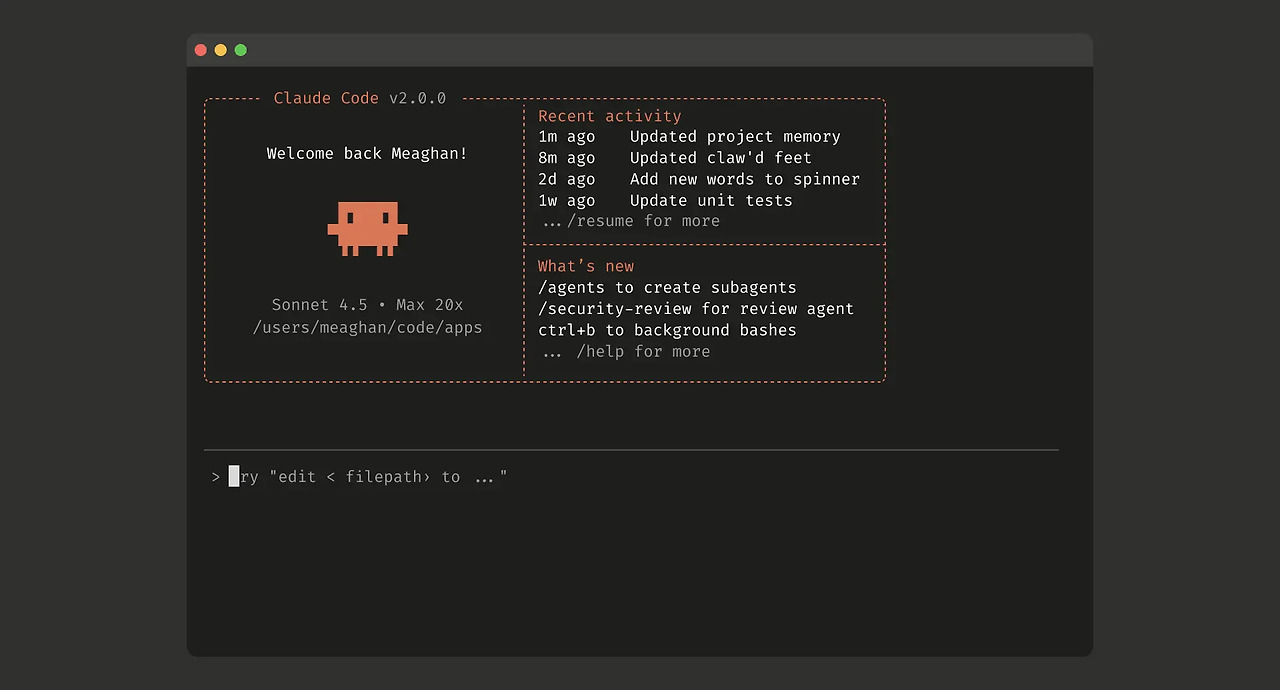
A senior AI engineer at Meta said the infrastructure was breaking. That conversation became a term, then a post that traveled, then a community of thousands in Seoul.
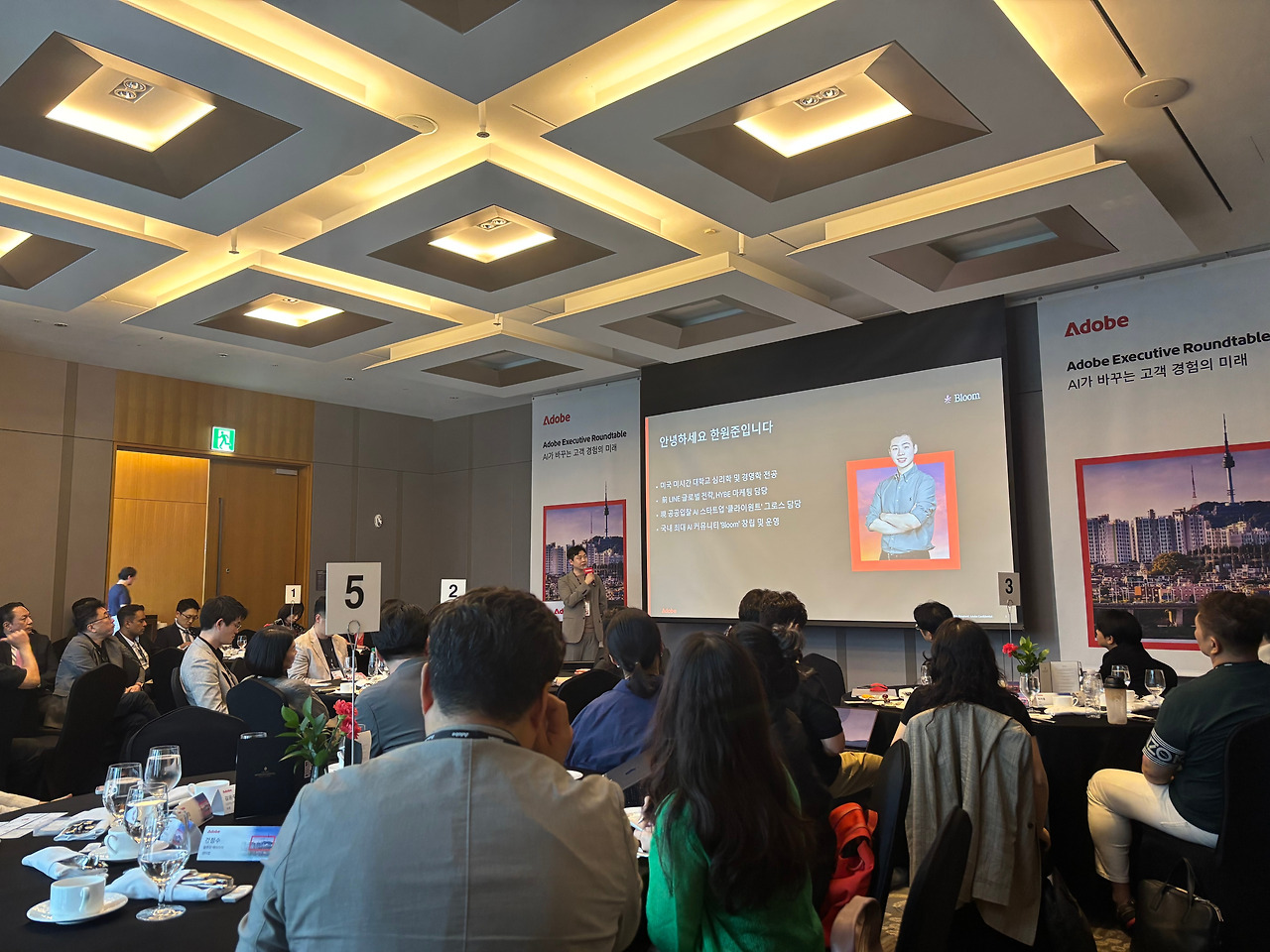
Seventeen patterns that kept repeating: why FOMO burns out, why vibe coding raised the bar instead of lowering it, and why the moat is distribution rather than technology.
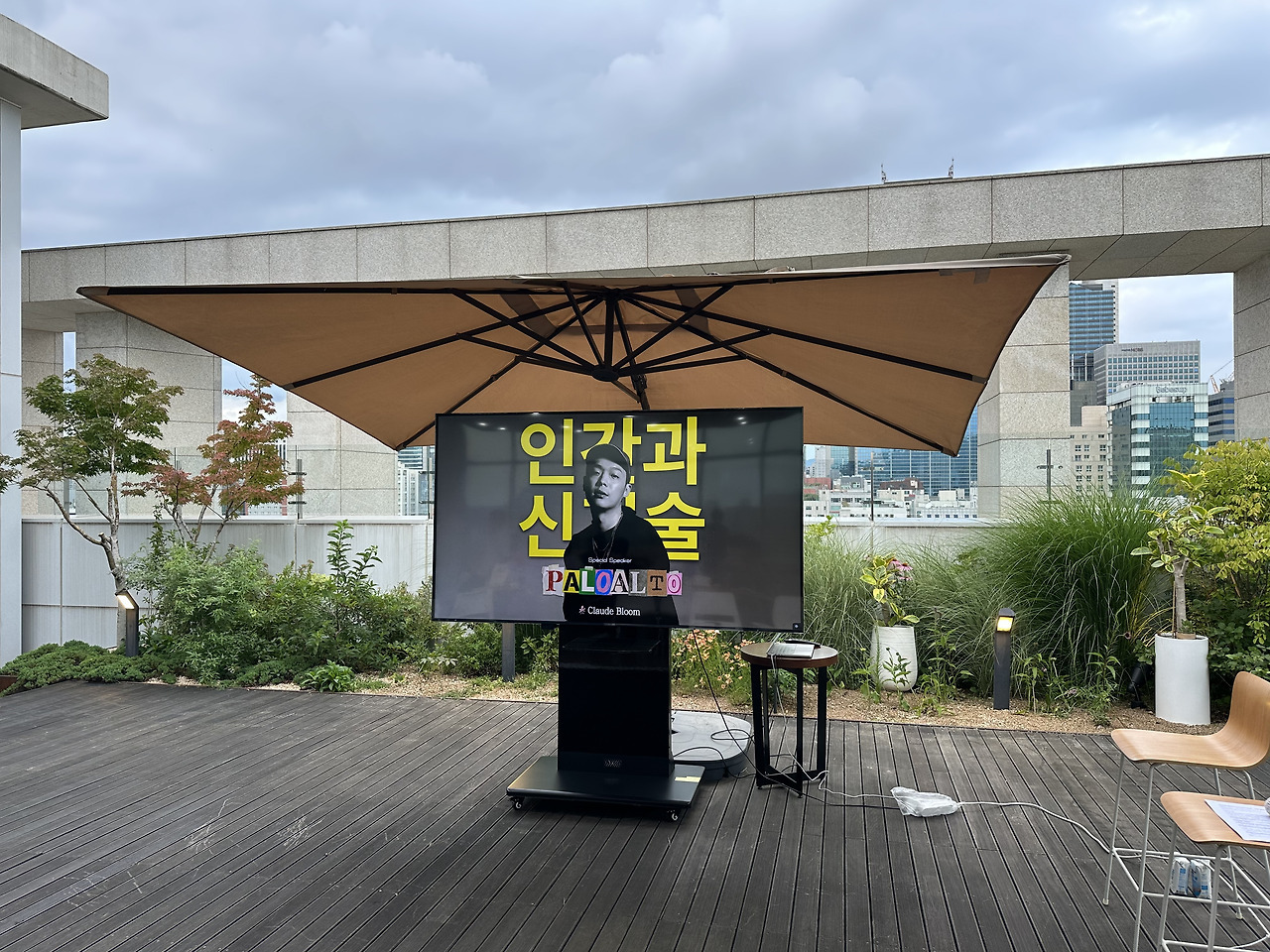
AI already makes music better than people do, he said. But nobody consumes only the music. They consume the story on either side of it, and that part is still ours.
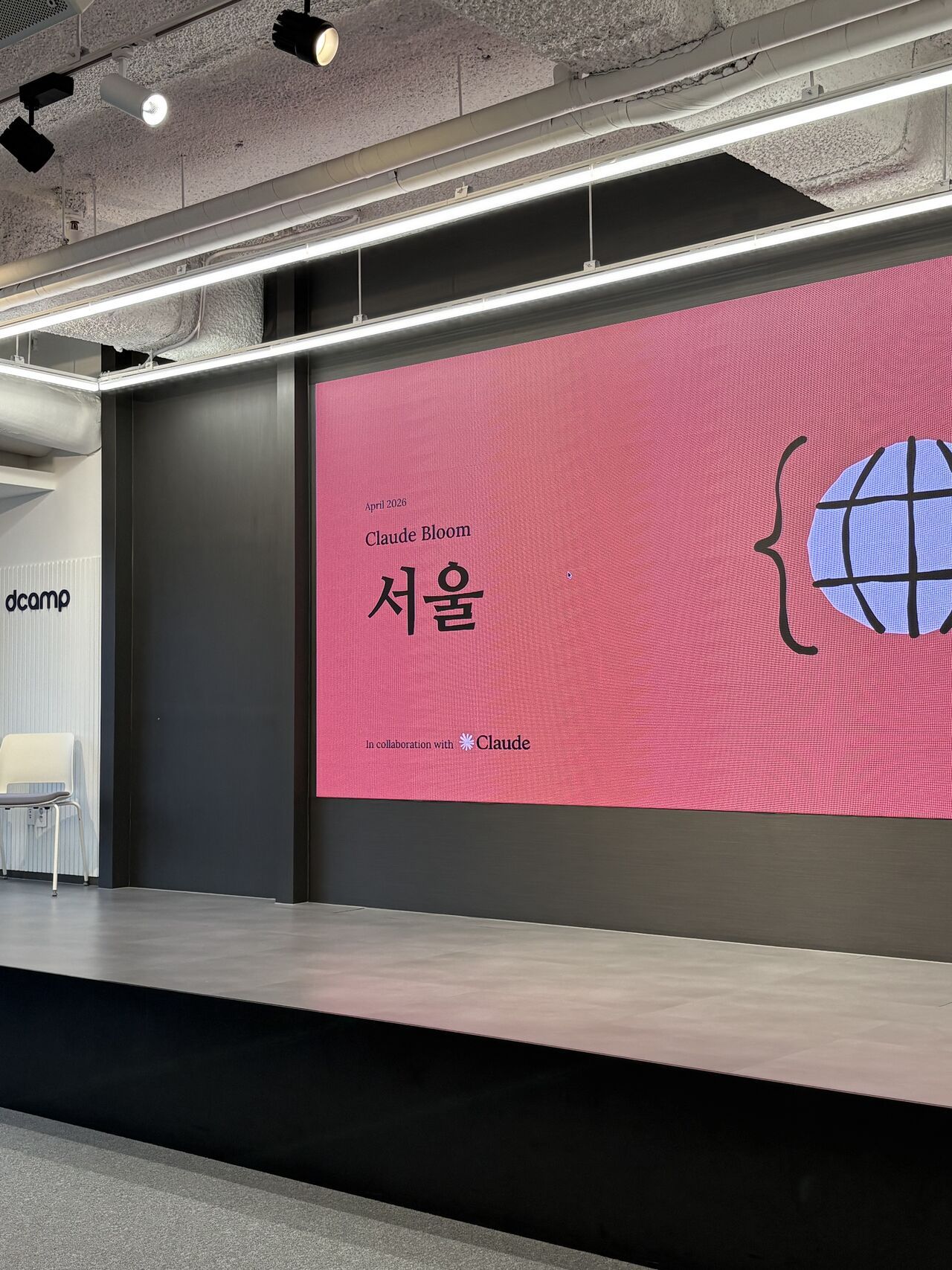
An AI engineer, a culture critic, a philosophy YouTuber, and a media studies professor in one room in Seoul, talking about what the models are doing to the people who use them most.